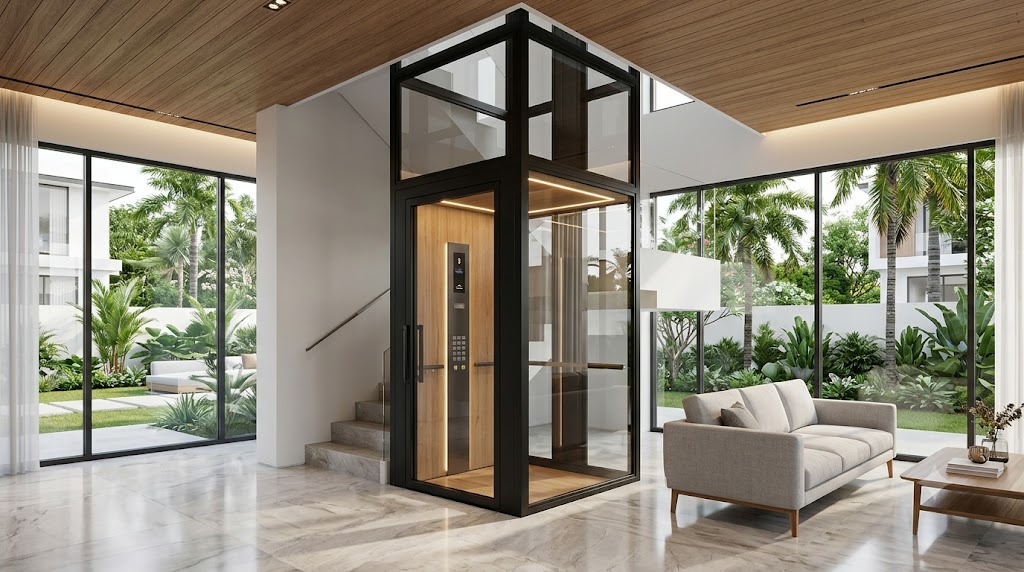
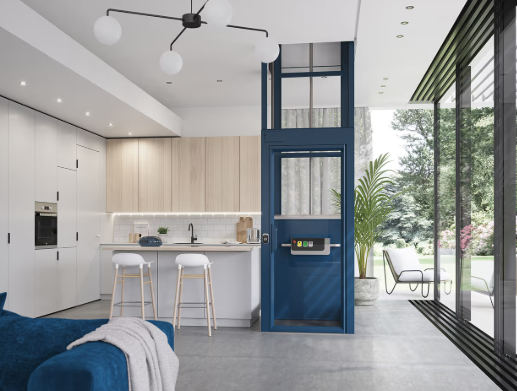
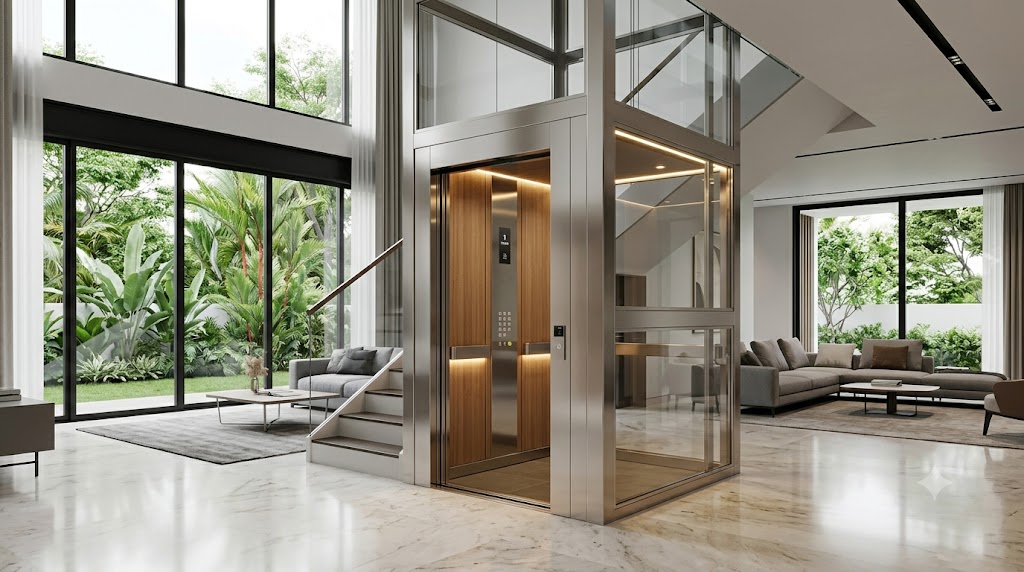
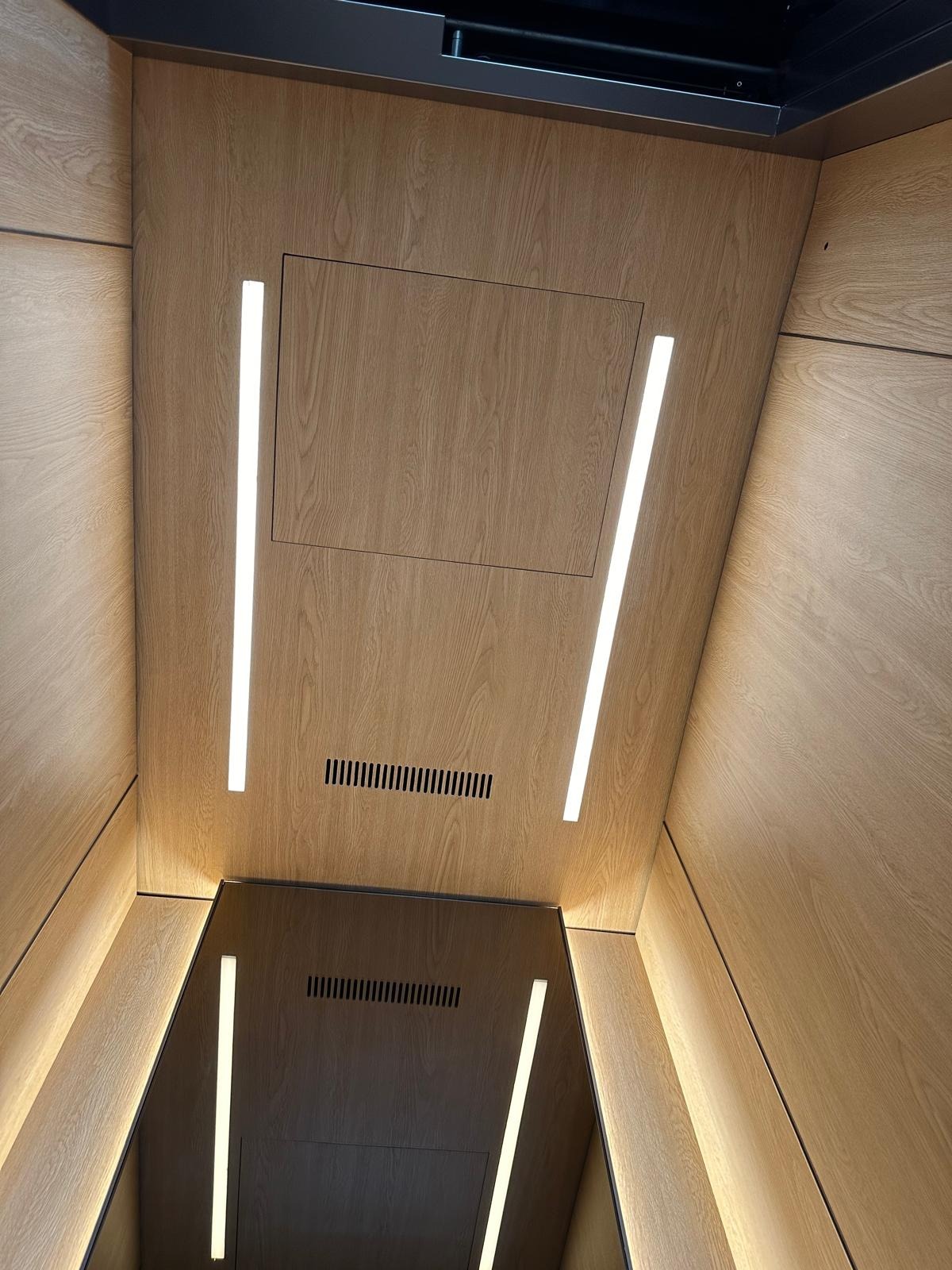
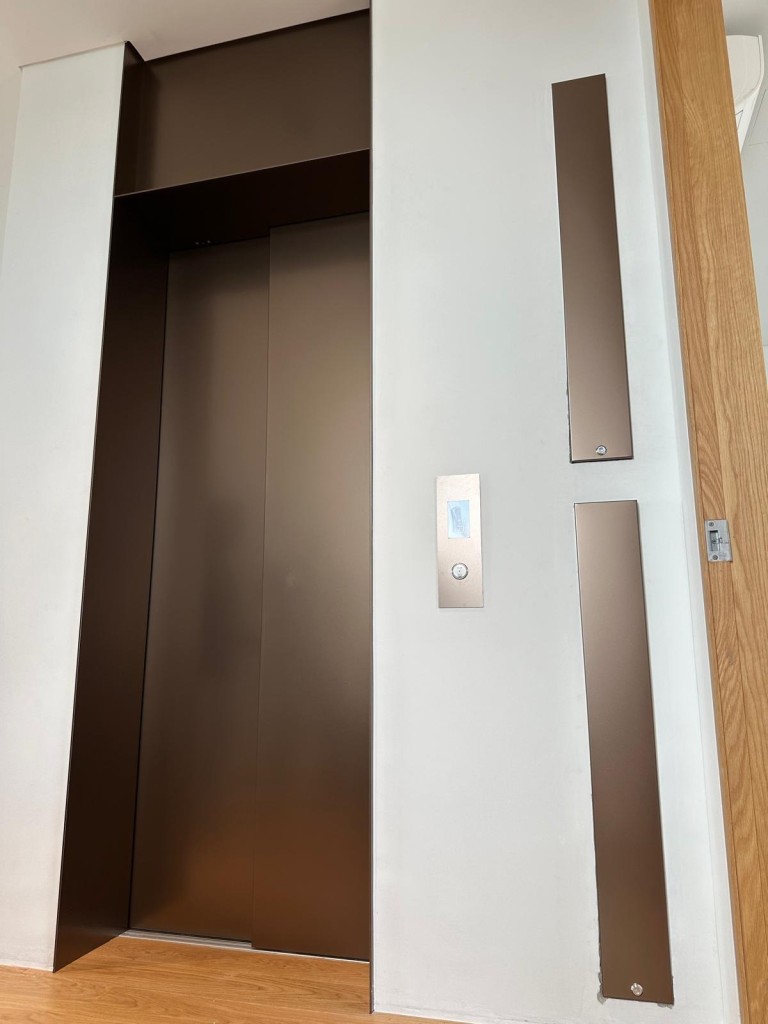
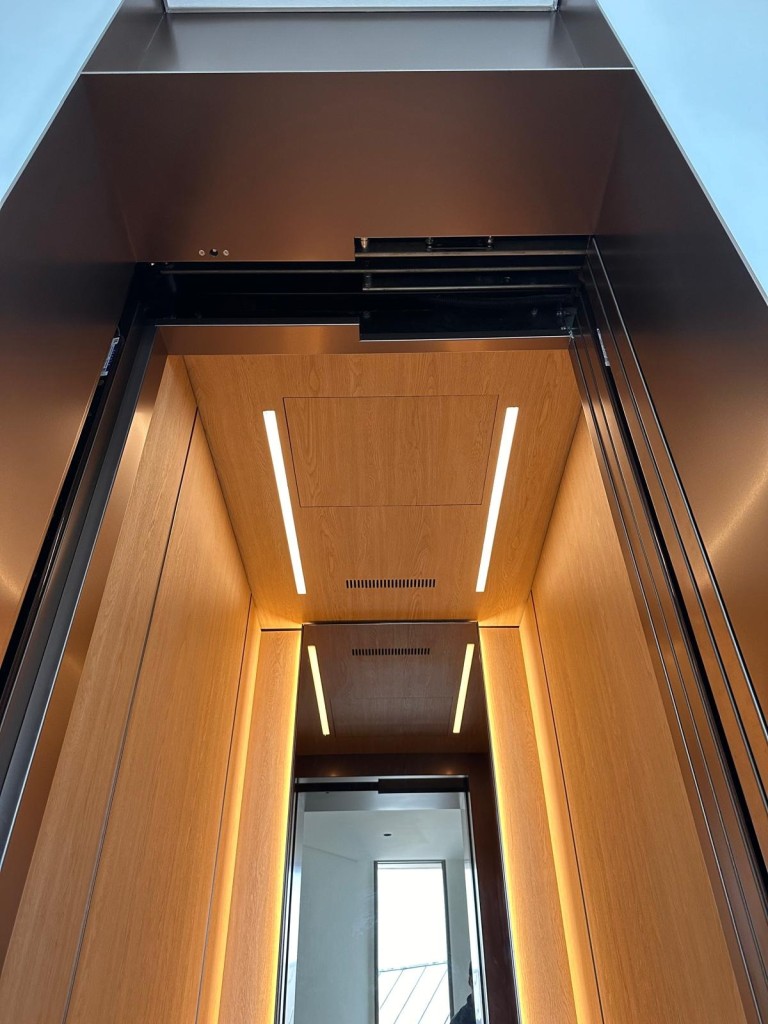
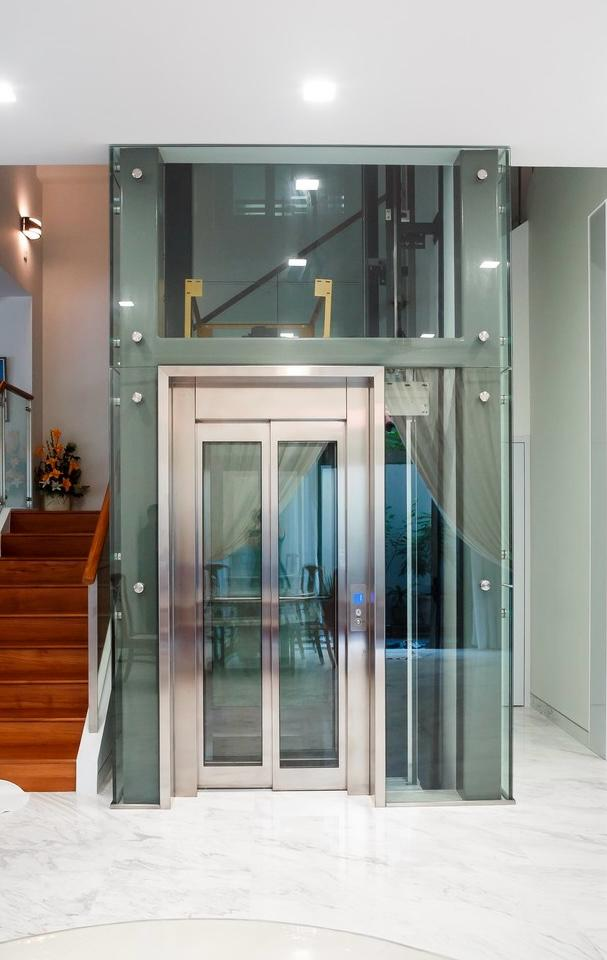
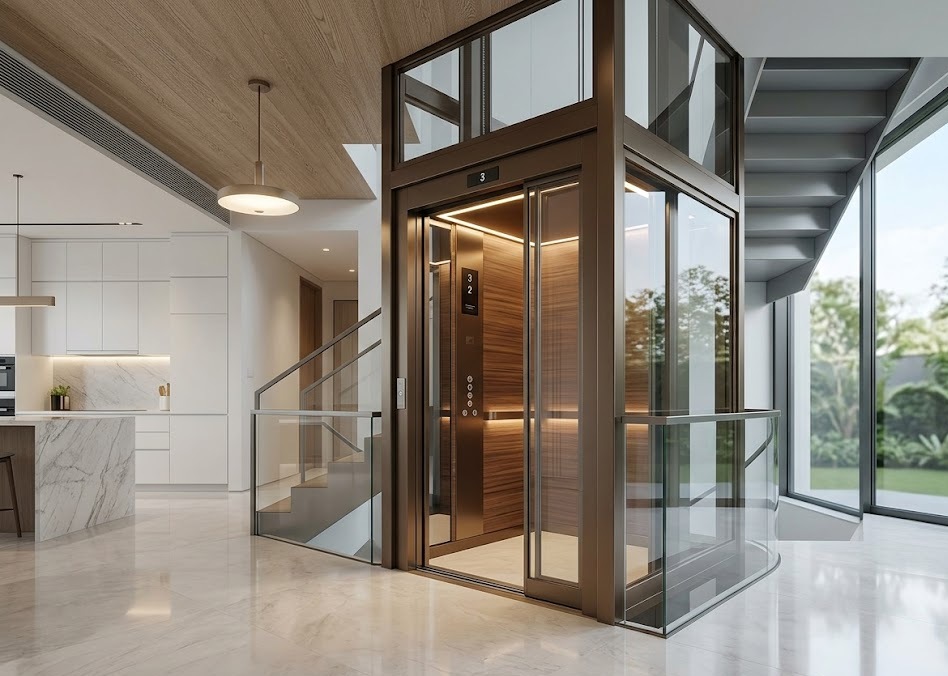
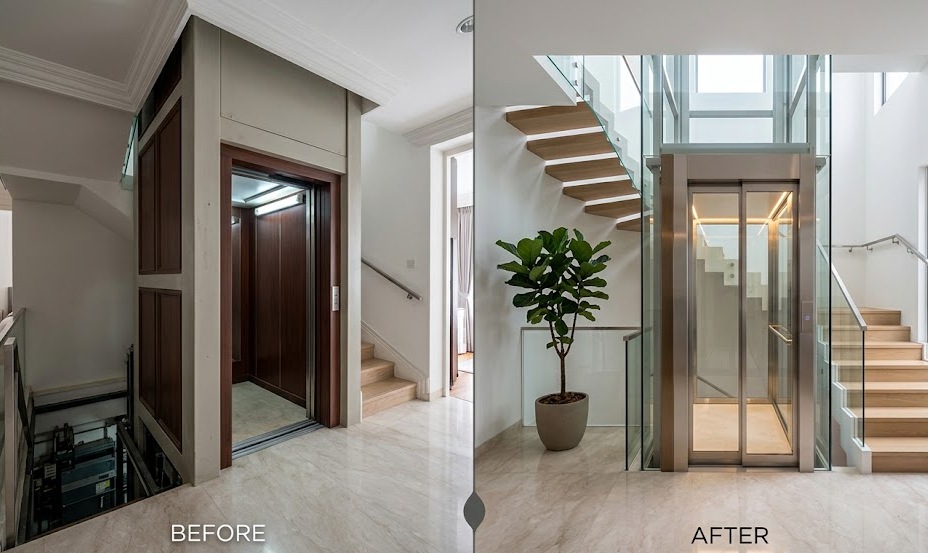
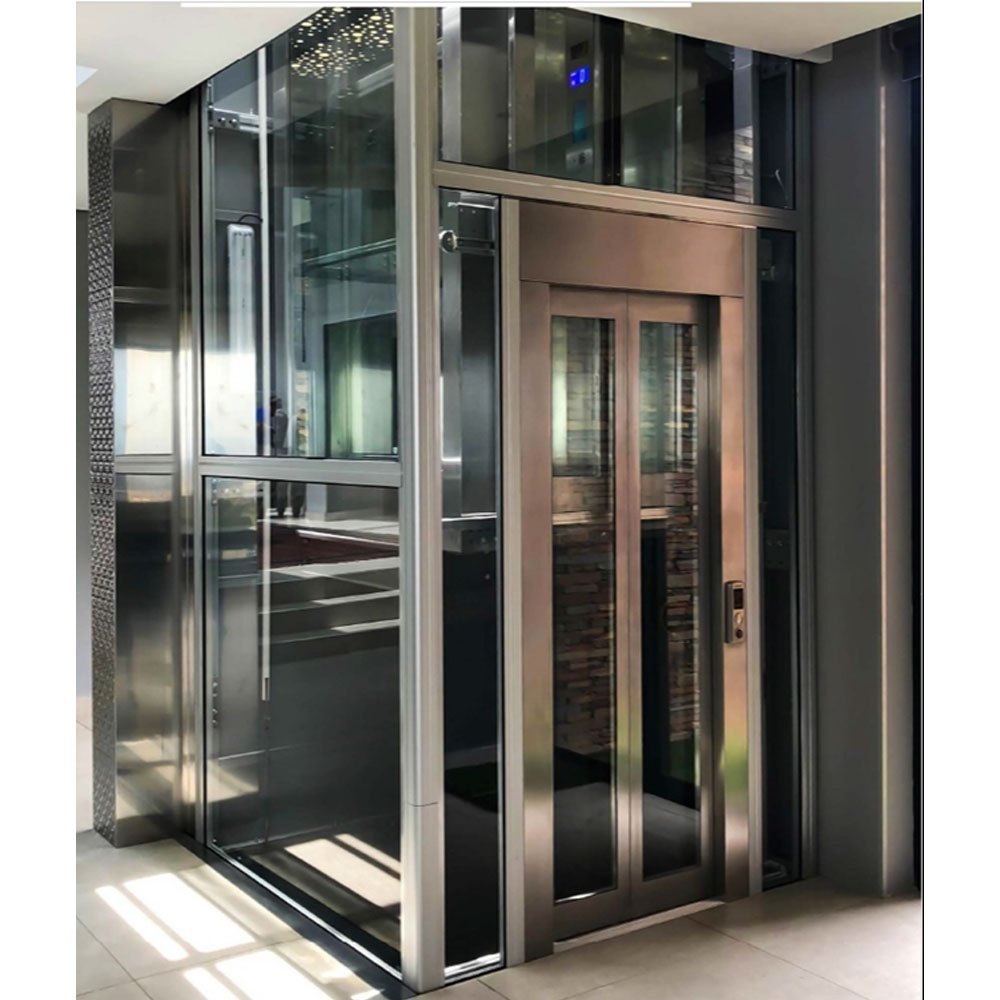
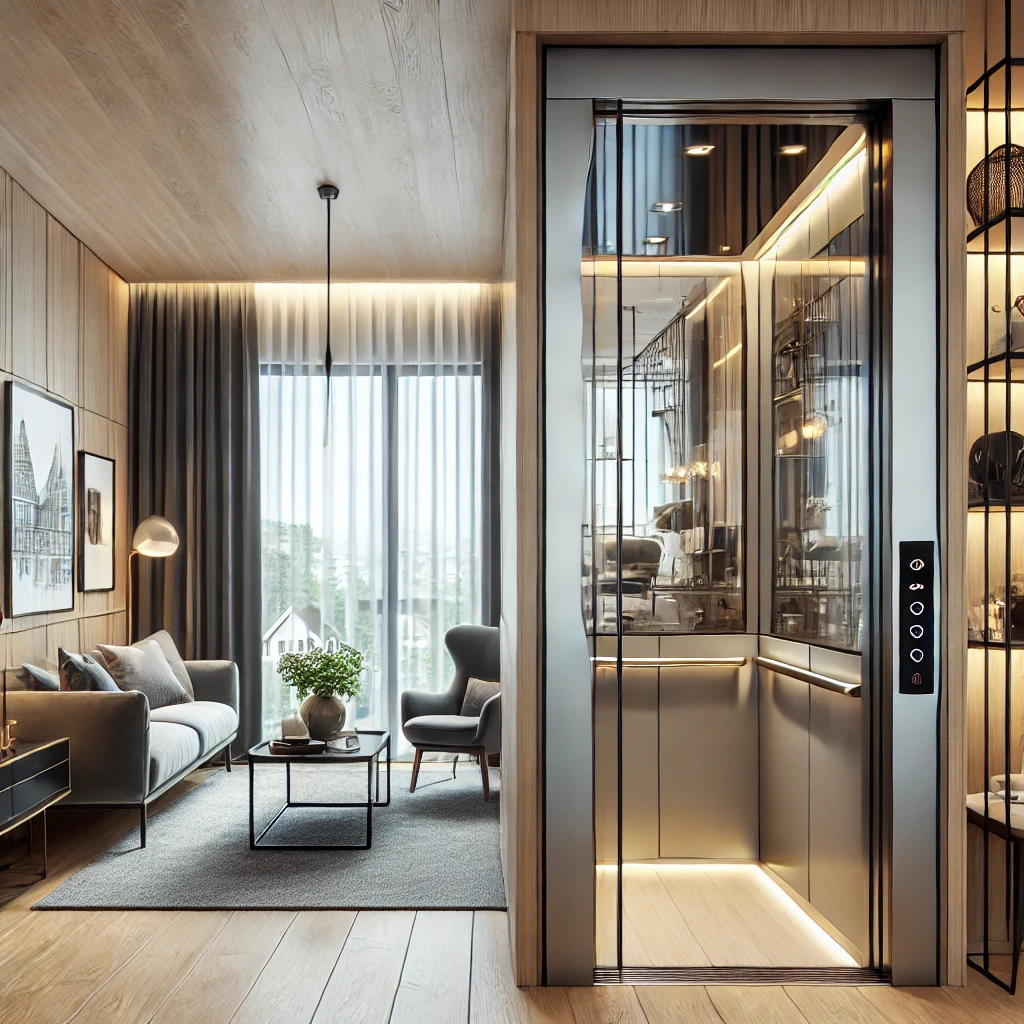
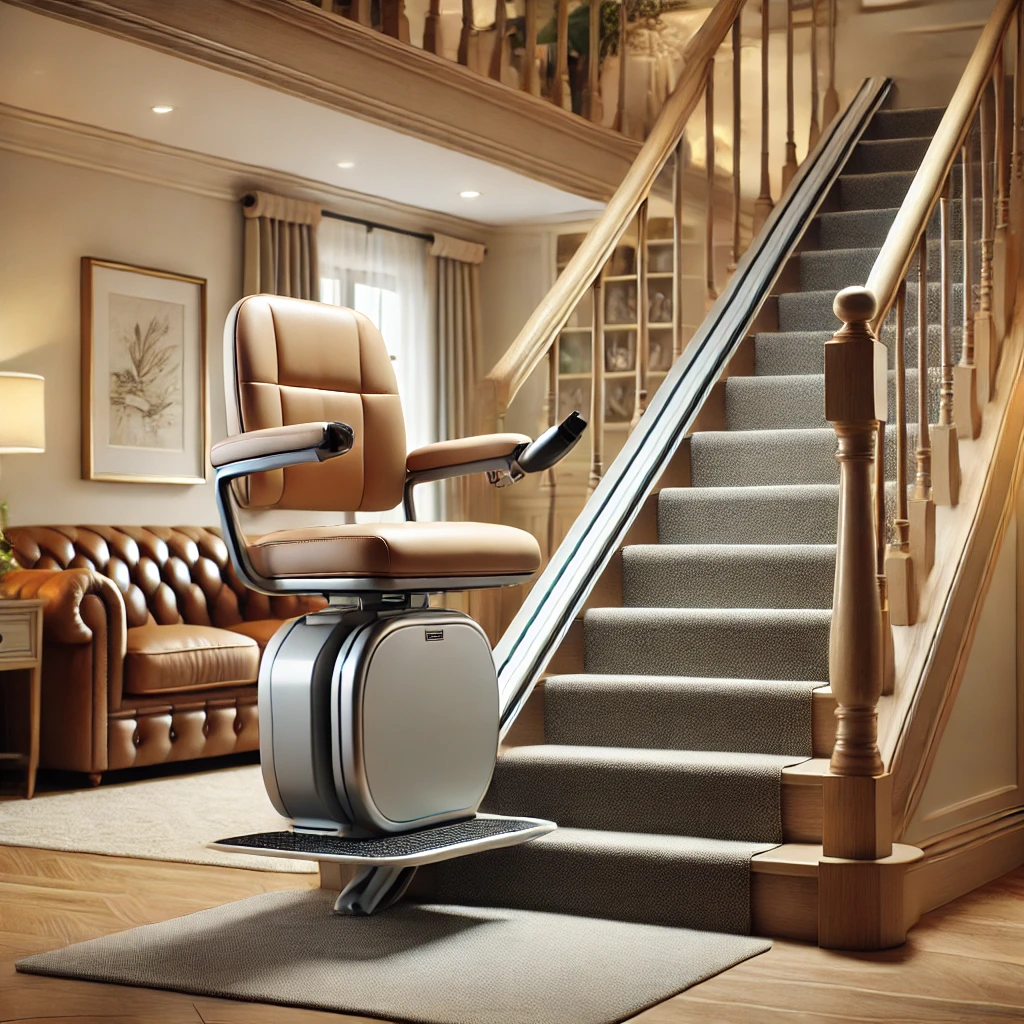
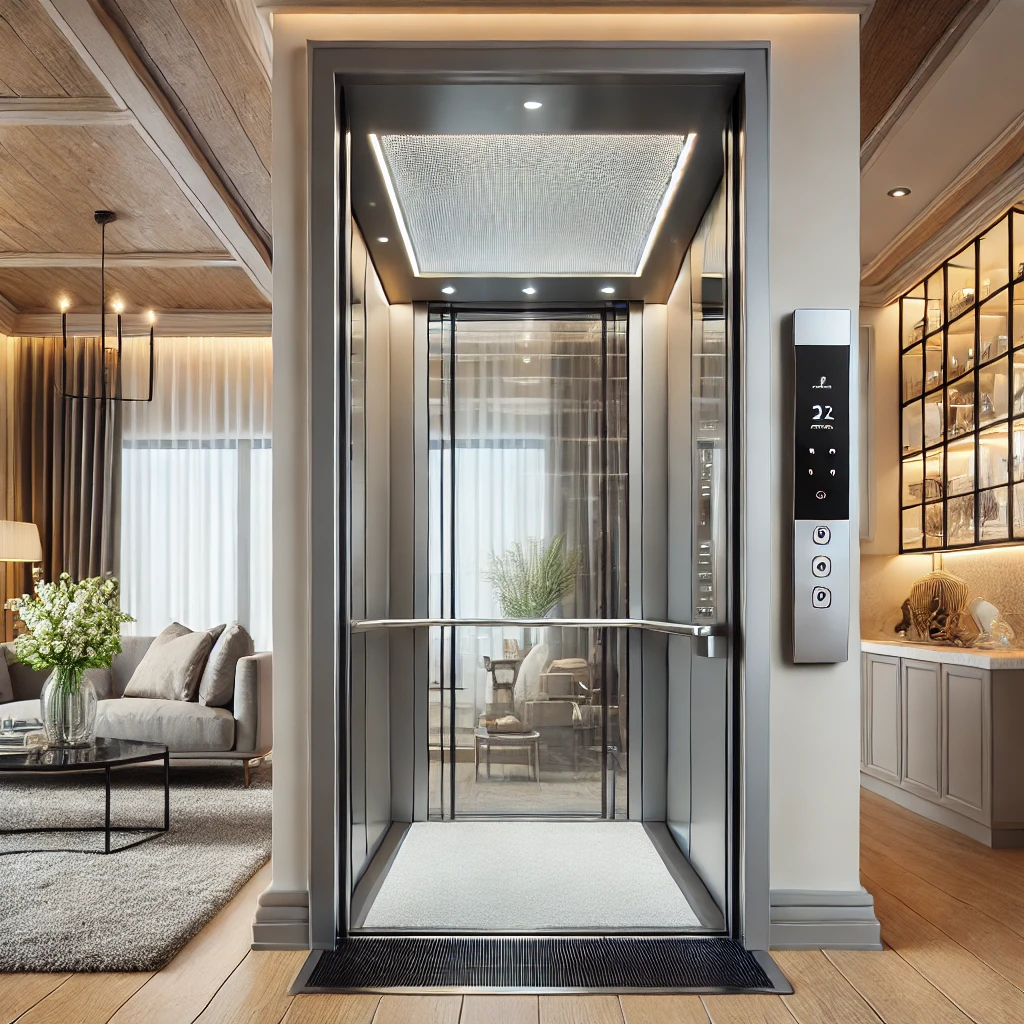
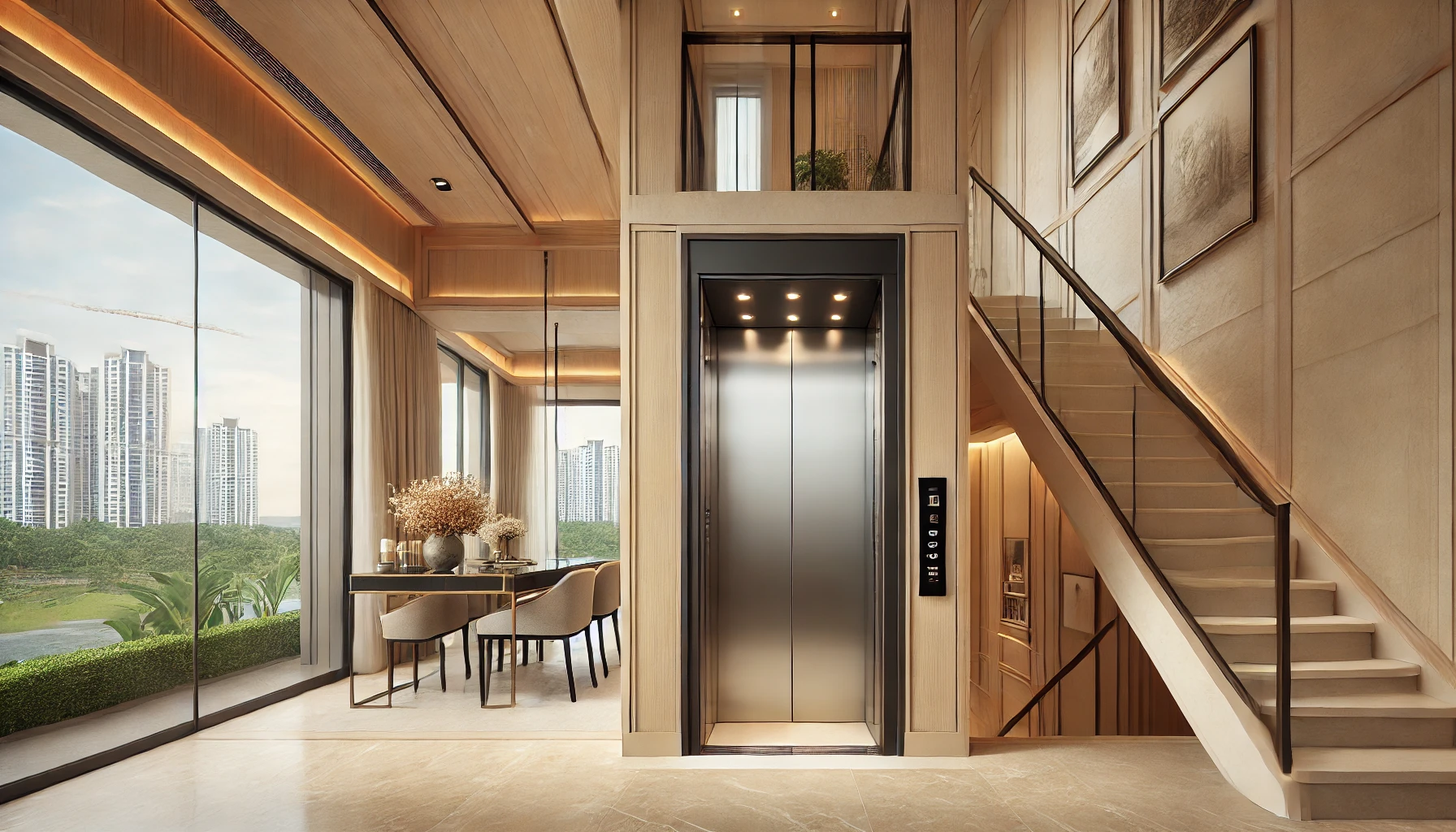
KALEA Home Lift Singapore: Scandinavian Residential Lift with Integrated Shaft

Scandinavian Residential Lift with Integrated Shaft

KALEA Home Lifts – Scandinavian Design, Smarter Installation and Everyday Accessibility

As homes evolve to accommodate changing lifestyles and ageing-in-place needs, residential lifts have become an increasingly popular feature in Singapore. Once considered a luxury reserved for large mansions, modern home lifts are now a practical investment that enhances accessibility, convenience and long-term property value.

Among the world’s leading home lift manufacturers is KALEA, a Swedish company with decades of experience designing premium platform and home lifts. Combining Scandinavian design with reliable engineering, KALEA lifts are installed in homes, commercial buildings, schools, healthcare facilities and public spaces around the world.

At Swee Hin Elevator, we offer selected KALEA lift solutions that are suitable for the Singapore market, providing homeowners and building owners with a high-quality accessibility solution backed by professional installation and after-sales support.

Why Choose a KALEA Home Lift?

Unlike conventional passenger lifts that are often adapted for residential use, KALEA develops lift systems specifically for low-rise buildings where space efficiency, aesthetics and ease of installation are important considerations.

Many KALEA lift models offer:

  • Elegant Scandinavian design
  • Compact footprint
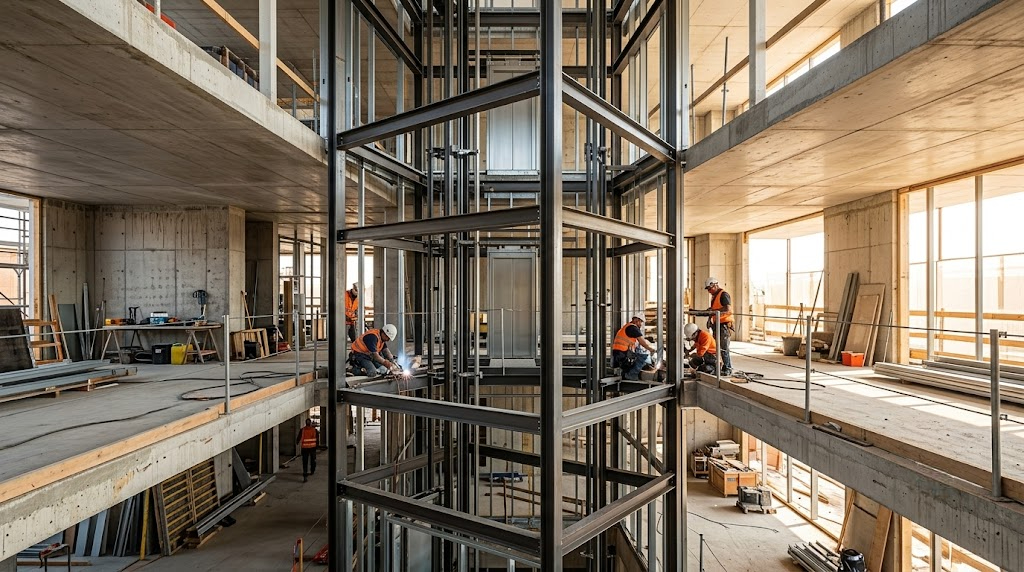
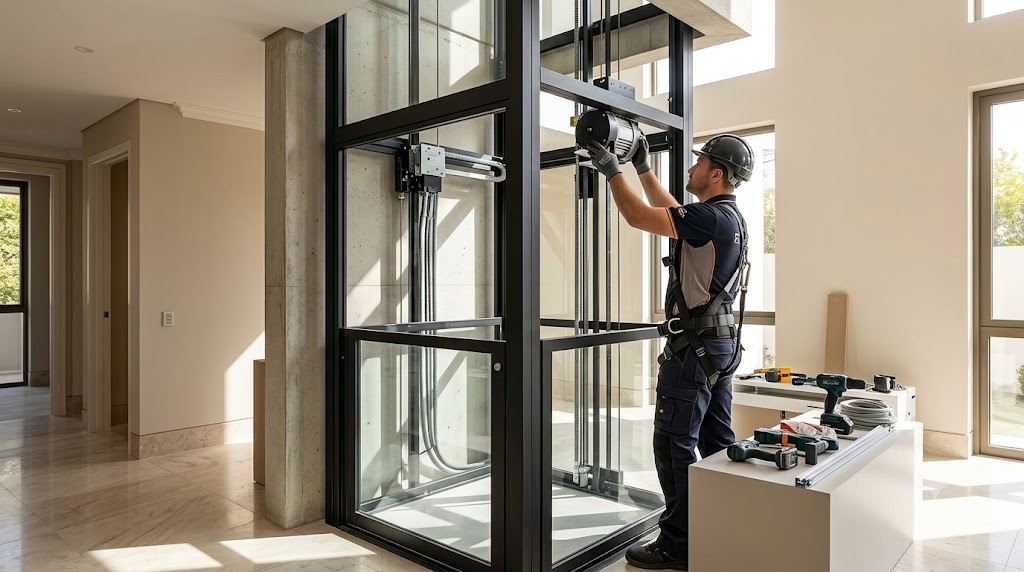
  • Integrated self-supporting lift shaft
  • No separate machine room required
  • Smooth and quiet ride
  • Energy-efficient operation
  • Low maintenance requirements
  • Wide range of finishes and customisation options

The result is a lift that not only improves accessibility but also integrates beautifully into the overall design of your home.

Save on Construction with an Integrated Lift Shaft

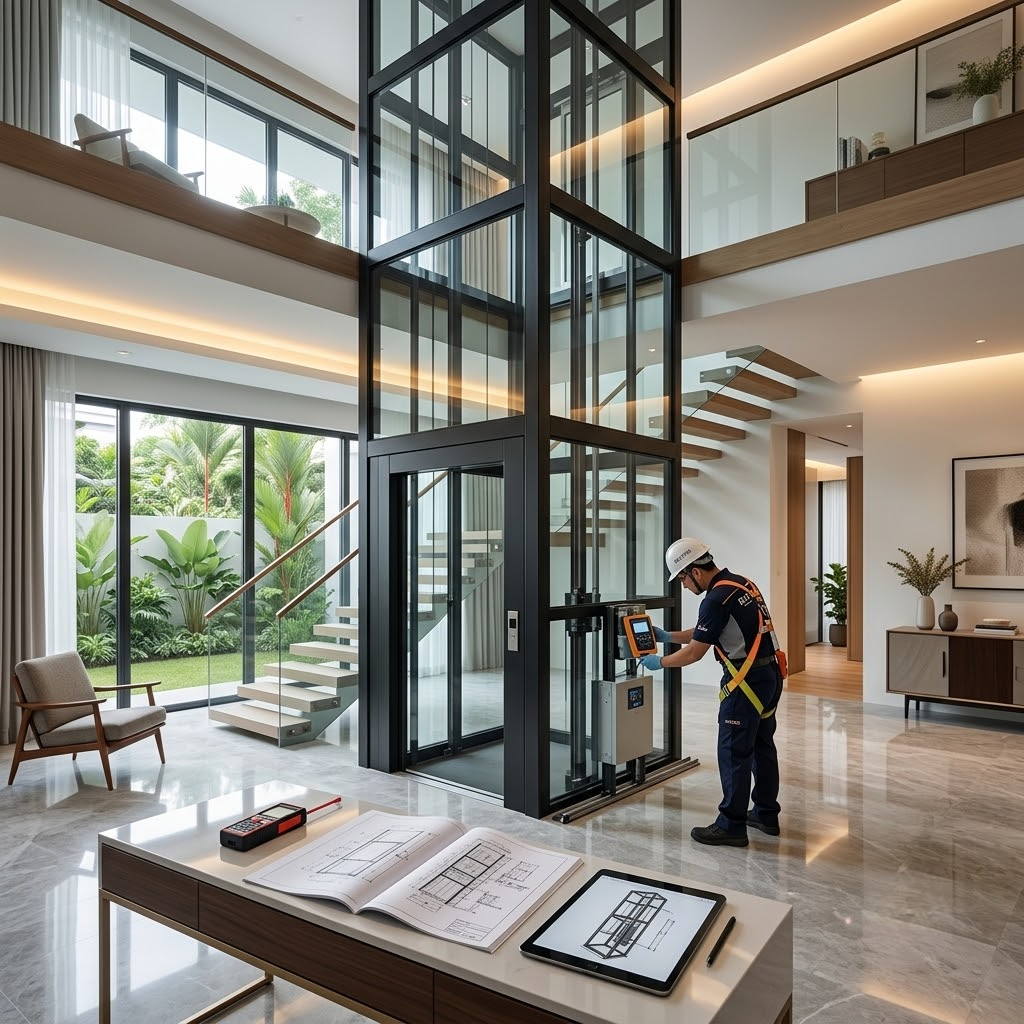
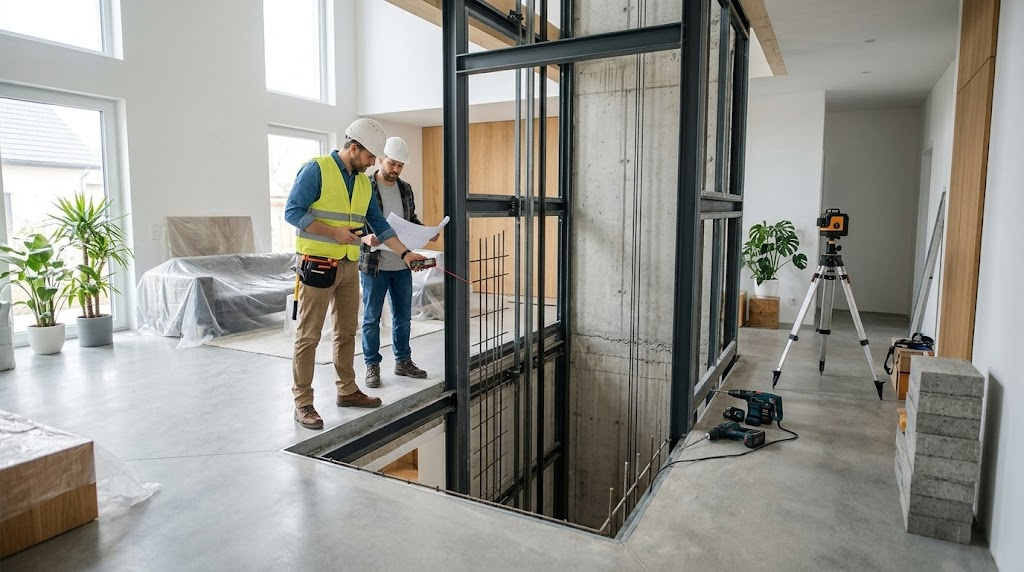
One of the most significant advantages of many KALEA home lift models is that they are supplied with their own integrated self-supporting lift shaft as part of the complete lift package.

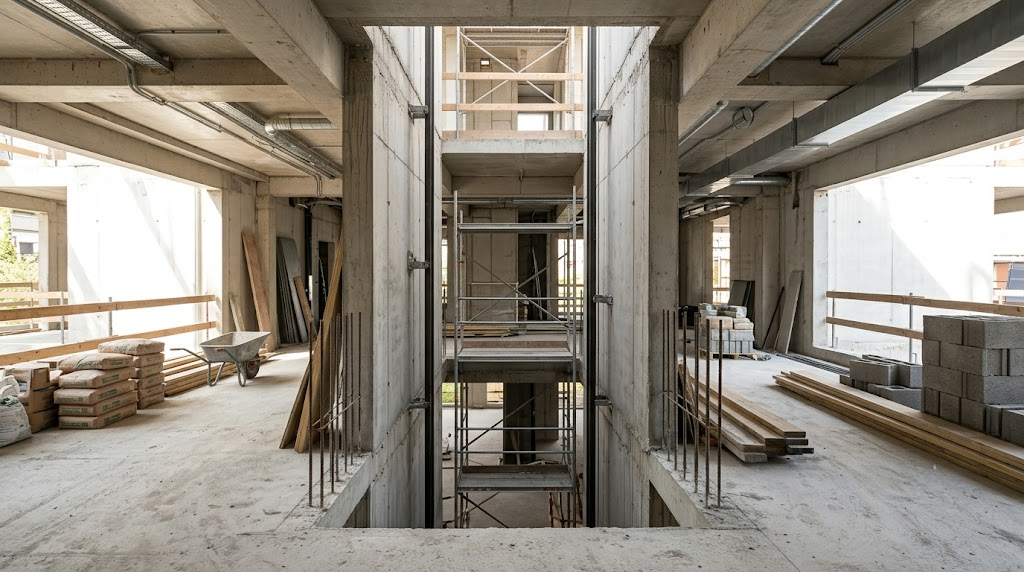
With many conventional passenger lifts, the building contractor must first construct a reinforced concrete or masonry lift shaft before the lift installation can even begin. This typically increases construction costs, extends project timelines and requires coordination between multiple trades.

Many KALEA lift models eliminate this requirement by providing a factory-engineered lift shaft together with the lift itself.

This offers several important benefits:

  • No need to construct a conventional reinforced concrete or masonry lift shaft.
  • Potentially significant savings in construction costs.
  • Faster and simpler installation.
  • Less disruption during renovation works.
  • Better coordination, as the lift and shaft are designed as one integrated system.
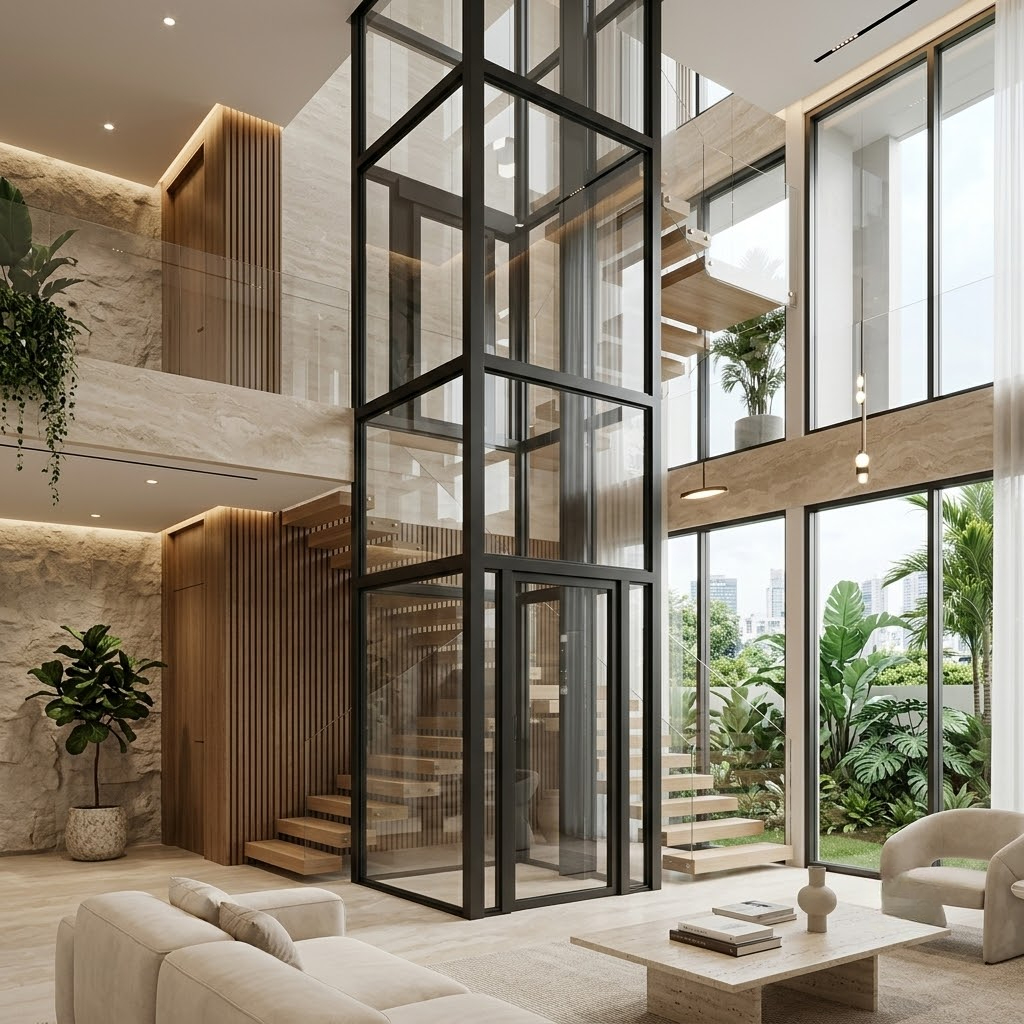
  • Attractive glazed or solid shaft options that complement modern interiors.

Although the lift shaft is supplied as part of the KALEA system, building works are still required for items such as floor openings, structural provisions where necessary, electrical supply and other site-specific requirements.

Ideal for New Homes and Existing Houses

One of the biggest challenges when adding a lift is finding sufficient space.

Traditional elevators often require:

  • Deep lift pits
  • Large overhead clearance
  • Separate machine rooms
  • Purpose-built lift shafts
  • Extensive structural works

Many KALEA lift models are specifically designed to minimise these requirements, making them particularly suitable for existing landed houses, renovation projects and new homes where efficient use of space is important.

Every building is different, however, so a professional site assessment is always recommended to determine the most suitable lift solution.

Designed to Complement Your Home

A home lift should feel like part of the house—not an industrial addition.

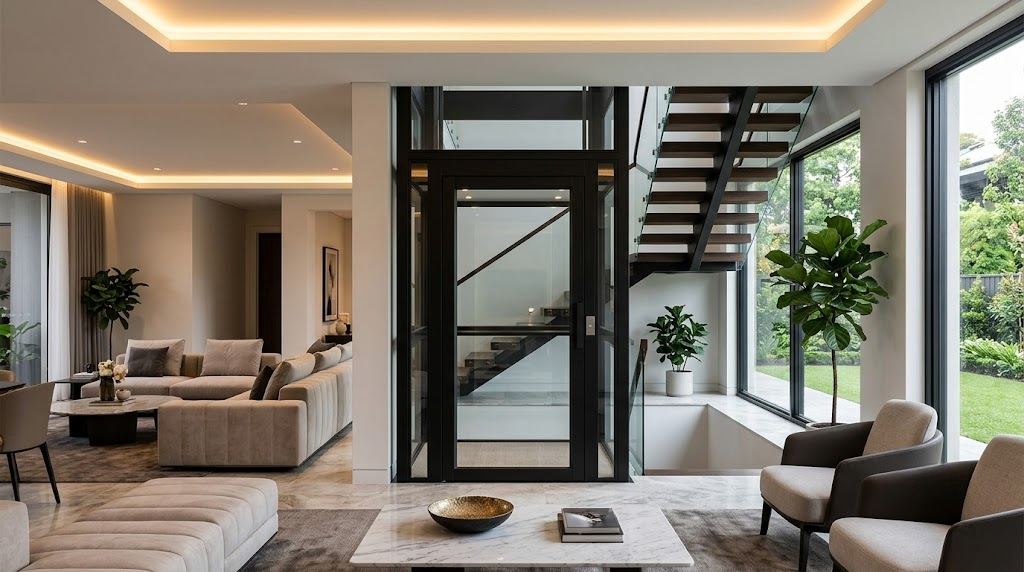
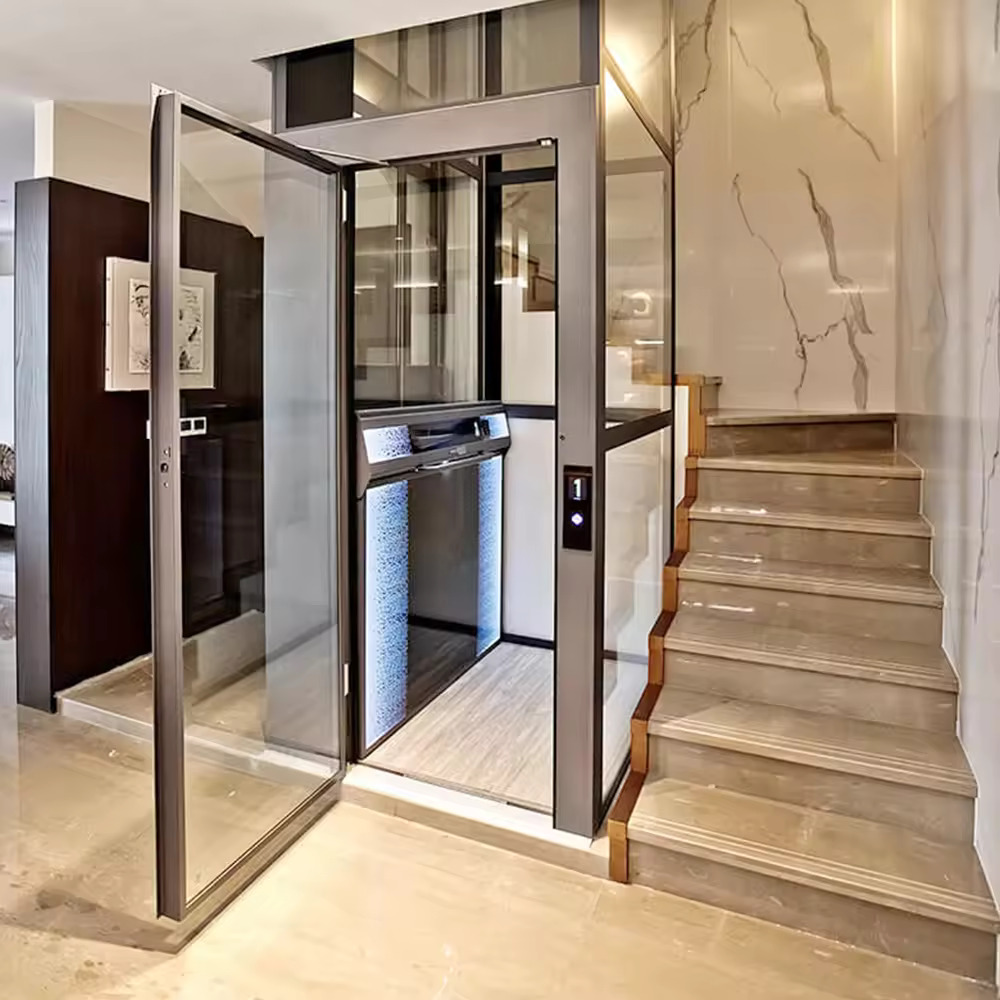
KALEA lifts are designed with clean Scandinavian styling and can blend naturally into both contemporary and traditional homes.

Depending on the selected model, homeowners may choose from a range of options including:

  • Panoramic glass lift shafts
  • Solid lift shafts
  • Various door configurations
  • Contemporary colour selections
  • Interior finishes
  • Flooring options
  • Lighting packages

The result is a lift that enhances both functionality and the overall appearance of the property.

Supporting Independent Living

Singapore’s ageing population has encouraged many homeowners to plan ahead by making their homes more accessible for the future.

Installing a home lift can help:

  • Reduce the need to climb stairs daily.
  • Improve accessibility for elderly family members.
  • Support independent living.
  • Make moving groceries, luggage and other heavy items between floors easier.
  • Increase convenience for multi-generational families.
  • Improve accessibility for wheelchair users or persons with reduced mobility (subject to the selected lift model).

Rather than being viewed as a luxury, many homeowners now regard a home lift as a practical long-term investment in comfort and quality of life.

Suitable for More Than Just Homes

While KALEA lifts are well known for residential applications, they are also widely used in:

  • Offices
  • Retail shops
  • Medical clinics
  • Restaurants
  • Schools
  • Community facilities
  • Places of worship
  • Heritage buildings
  • Other low-rise commercial buildings

Their flexibility makes them an excellent solution wherever improved accessibility is required.

Frequently Asked Questions

Are KALEA lifts suitable for existing houses?

Yes. Many KALEA lift models are designed specifically for retrofit applications where space is limited. Suitability depends on the building layout, structural conditions, and Singapore regulatory requirements.

Do KALEA lifts require builders to construct a lift shaft?

Many KALEA home lift models are supplied with their own integrated self-supporting lift shaft, eliminating the need to construct a conventional reinforced concrete or masonry lift shaft. This can reduce construction costs and simplify installation. Site-specific building works are still required.

Do KALEA home lifts require a machine room?

Many KALEA lift models do not require a separate machine room, helping to reduce space requirements and simplify installation.

Can a home lift increase the value of a property?

While every property is different, many homeowners view a residential lift as an attractive long-term feature that improves accessibility, convenience, and future usability.

Are KALEA lifts safe?

KALEA lifts are manufactured with multiple safety features and are designed to comply with applicable international standards. The exact specifications depend on the selected model and installation.

Which KALEA lift model should I choose?

The most suitable model depends on several factors, including:

  • Available space
  • Number of floors
  • Passenger capacity
  • Accessibility requirements
  • Building layout
  • Applicable Singapore regulations

Our team will be pleased to recommend a suitable solution following a consultation and site assessment.

Home Lift Cost Singapore 2026: Complete Price Guide for Landed Homeowners

Complete Price Guide for Landed Homeowners

Home lifts have become an increasingly common feature in landed houses as more Singaporeans seek to enhance accessibility at home or future-proof their homes. Before you start building a new property or remodel your existing one, knowing the home lift cost Singapore is an essential ASAP.

The factors that influence the overall investment level are type of lift, number of stories being served; installation as well as long-term maintenance requirements. In this guide, we give details on the wide-ranging costs and what to expect when homeowners install a residential lift in Singapore.

In recent times, home lifts are quickly shaping as one other modern-day residence improvement fad.

Home leisure SaveOn Singapore A home lift is the perfect solution for landed homes which are growing to more multi–generational families, with elderly parents now living underneath young children giving you roaming Accessibility and Convenience in a very home also as adding on extra comfort convenience & most significantly Price to your property SearchOur Tags

Here a few of the common reasons why people desire to have home lift in their lifestyle:

  • The elderly in your family can get better moving around
  • Easier access between multiple floors
  • Increased property value
  • Future-proofing the home
  • Enhanced convenience for daily living

Technology, as with so many other things in our lives, is getting smarter too and this includes the residential lifts which can work not only more efficiently but are also available in a far smaller energy efficient format that works successfully with countless home layouts.

Residential home lift in Singapore landed property for safe and convenient access between floors

Factors affecting Home lift cost in Singapore

A home lift can serve many functions, which is why the price point is different depending on what your project demands. Understanding these aspects enables homeowners to budget properly.


The cost is very much attached to every lift technologies dwelling there.

Common residential lift options include:

  • Passenger home lifts
  • Enclosed platform lifts
  • Hydraulic lifts
  • Traction lifts
  • Machine-room-less (MRL) lifts
  • Platform lifts 

Trade-off will take place in ride quality, vehicle footprint and setup complexity on all three systems.

The more floors a lift dances to, the higher the final bill. Additional stops means other equipment required, longer distances travelled, and more install work.

For example:

Generally, a two-storey house is much easier to establish.

Three to four-storey landed houses are usually not cheap when it comes to installation.

Lift provisions can be incorporated into new builds, which may help to ease installation as appropriate context will already exist.

If you have an existing unit, retrofitting a lift may require:

  • Structural modifications
  • Shaft construction
  • Electrical upgrades
  • Space planning adjustments

These can have a bearing on how much the project will cost.

Simpler-shaped lifts will feature shoe boxes in which non-framed glass FZ walls will support independently suspended panels.

Optional upgrades may include:

  • Glass panels
  • Premium wall finishes
  • Stainless steel interiors
  • Decorative lighting
  • Smart control systems

Customization can be a pretty expensive thing, but it allows you to create more stylish and nice user-interface.

Home lift installation cost factors in Singapore including equipment, installation and safety compliance

How much should you spend on a home lift in Singapore?

Each project is different of course, but the cost of a residential lift will typically range depending on the selected system and installation requirements.

Typical cost considerations include:

  • Lift equipment
  • Installation works
  • Structural preparation
  • Electrical connections
  • Safety compliance requirements
  • Testing and commissioning

You should ask for a site assessment conducted by professionals to receive an actual quote based on your home.

Older & Existing Landed Homes Installation Costs

A large number of homeowners believe that lifts can only be installed while building a new property. That said, many new lift systems may retrospectively be fitted to existing landed houses.

The installation process typically includes:

  • Site inspection and feasibility assessment
  • Design and planning
  • Structural preparation
  • Lift installation
  • Testing and certification

Retrofitting becomes trickier depending on available space and the design of a building.


Modern home lift installed in a Singapore landed house for safe, convenient and accessible living

Home Lift Maintenance Costs

In addition to having it installed, home-owners will also have to consider annual maintenance.

  • Regular maintenance helps ensure:
  • Safe operation
  • Reliable performance
  • Compliance with safety standards
  • Longer equipment lifespan

Maintenance services typically include:

  • Routine inspections
  • Safety checks
  • Component adjustments
  • Emergency support
  • Preventive servicing

Yet select the correct lift provider, one with a demonstrated history of delivering performance and reliability, and this can bring down total cost of ownership for years to come.

Guide to Selecting a Home Lift

Price should never be the sole determining factor when comparing lift options.

Safety Features

Emergency alarm systems,
Backup power supply,
Door obstruction sensors,
Emergency lowering functions

Space Efficiency

Ideal for most landed homes in Singapore which are space needy, the compact lift designs

User Comfort

Today’s residential lifts are not the same as previous generations, travelling far more smoothly and quietly (not to mention better cabin design).

After-Sales Support

Great maintenance and technical support leads to long term peace of mind.

Benefits of home lift in Singapore including improved mobility, accessibility and multi-generational living

The pros of a House Lift — Is it value the investment?

When it comes to many homeowners, the residential lift is more than indoor convenience. It antioxidant bolsters availability improving every day life and aids maturing in-lodging procedures for loved ones renovation the house.

Benefits include:

  • Greater mobility for all ages
  • Improved home accessibility
  • Increased property appeal
  • Long-term lifestyle convenience
  • Better support for multi-generational living

In Singapore, where an aging population is a concern, home lifts are changing from a luxury option to a necessity.

Conclusion

When considering the cost of a home lift in Singapore, it is not simply equipment price comparison. The complete investment also includes lift type, installation needs structural condition and maintenance commitments.

If you are either building a new landed home or upgrading your existing one, the choice of lift solution will not only facilitate better accessibility and comfort within your house but also increase the value of your property in the long-run.

Frequently Asked Questions

So, how much does a home lift cost in Singapore?

The overall lift system price varies based on the type of lift, number of floors covered, and ease of installation along with customization options. The best estimate comes from a professional assessment.

Is it possible to install a home lift in an already-existinghome?

Yes. Most home lifts today, however, can be retrofitted into existing landed homes, contingent upon available space and engineering viability.

What is the difference between a home lift and a platform lift?

Usually meant for home passenger applications, a home lift is mostly completely enclosed. Platform lifts designated primarily for accessibility applications may require different amount of space.

Is there a need for regular maintenance of home lifts?

Yes. Regular maintenance is mandatory safety and reliability as well as the compliance with applicable standards.

Home Lift Singapore Alternative: What Most Homeowners Should Know

Residential home lift for safe and convenient vertical transportation in modern homes

When installing a home lift in Singapore, most people are told there are only two standards to comply with: SS550 or EN81-41, as required by the Building and Construction Authority (BCA).

While both are widely used, they were not originally designed with modern landed homes in mind. As a result, homeowners often face compromises in design, usability, or space.

What many don’t realise is that there is a third option—one that addresses these limitations more effectively.


The Limitations of Conventional Standards

1. SS550 (Conventional Passenger Lifts)

SS550 is designed for full passenger lifts, similar to those found in commercial buildings. While robust, it comes with strict structural requirements:

  • Significant headroom
  • Deep lift pit
  • Larger overall footprint

These requirements can be challenging—or even impossible—to meet in existing landed properties or tight architectural layouts.

Modern enclosed home lift in Singapore with automatic sliding doors

Modern home lift design suitable for residential spaces

2. EN81-41 (Vertical Platform Lifts)

EN81-41 is intended for platform lifts, typically for accessibility use.

However, it comes with trade-offs:

  • Often uses hold-to-run operation (continuous pressing required)
  • Typically not fully enclosed
  • May not support automatic sliding doors
  • Less aligned with expectations of a “true lift” experience

The Third Option: A New Code of Practice

In June 2024, BCA introduced a new standard:

Code of Practice for installation, operation, and maintenance of vertical platform lift with enclosed platform and automatic sliding doors

This Code of Practice (COP) was developed in response to increasing demand for lifts that:

  • Fit within real-world residential constraints
  • Provide full lift functionality and comfort
  • Maintain safety compliance

As noted in the COP, these lifts do not fully comply with SS550 or EN81-41 due to design differences such as reduced pit depth and overhead clearance, but the COP establishes specific safety requirements to address these gaps.

Why This Matters for Homeowners

This newer standard effectively bridges the gap between practicality and performance.

Key Advantages

  • Smaller footprint – Easier to integrate into tight spaces or retrofits
  • Low headroom requirement – Suitable for houses with height limitations
  • Shallow or minimal pit depth – Reduces structural modification costs
  • Fully enclosed cabin – Safer and more comfortable than open platforms
  • Automatic sliding doors – True lift-like experience with one-touch operation

What Makes It Different?

Unlike traditional platform lifts, these systems combine:

  • The comfort and usability of passenger lifts
  • The space efficiency of platform lifts

The COP also introduces detailed safety requirements covering:

  • Door systems and obstruction detection
  • Emergency operations and rescue provisions
  • Ventilation, lighting, and electrical protection
  • Protection against unintended movement and overspeed

All VPL (Enclosed) systems must still meet EN81-41 baseline requirements, with additional safeguards layered on top.

An Industry “Best Kept Secret”

Despite its advantages, this approach is still not widely discussed.

Many homeowners are only presented with SS550 or EN81-41 options, without being informed that a more suitable hybrid solution exists.

In reality, this COP-based system is often the most balanced choice for:

  • Landed property owners
  • Renovation projects
  • Space-constrained homes
  • Homeowners seeking both functionality and aesthetics

Conclusion

Choosing the right home lift isn’t just about compliance—it’s about finding a solution that fits your home and lifestyle.

While SS550 and EN81-41 remain valid standards, the newer Code of Practice offers a compelling alternative that overcomes many of their limitations.

For homeowners planning a lift installation, understanding all available options can make a significant difference in both design flexibility and long-term satisfaction.

Frequently Asked Questions

What is the alternative to SS550 and EN81-41 for home lifts in Singapore?

A newer Code of Practice (COP) introduced by the Building and Construction Authority (BCA) provides requirements for enclosed vertical platform lifts with automatic sliding doors, offering another option for residential lift installations.

Why do some homeowners choose a COP-based home lift?

Many homeowners consider this option because it can require less headroom, a shallower pit, and a smaller footprint while still providing a fully enclosed lift experience.

Is a COP-based home lift compliant with Singapore requirements?

Yes. When designed and installed according to the applicable Code of Practice and regulatory requirements, these systems are intended to meet the relevant safety and compliance standards.

How is a COP-based home lift different from a conventional passenger lift?

A COP-based home lift is designed for residential applications where space may be limited, while conventional passenger lifts often require larger shafts, deeper pits, and greater overhead clearance.

Which type of home lift is suitable for a landed property in Singapore?

The most suitable solution depends on your home’s available space, structural layout, accessibility needs, and applicable regulations. A professional site assessment can help determine the best option.

Can Swee Hin help recommend the right home lift solution?

Yes. Swee Hin provides consultations to assess your property and recommend a home lift solution that suits your space, requirements, and applicable Singapore standards.

Swee Hin Elevator : Ahead of BCA’s New FI Regulations

Glass passenger elevator installed in modern building providing safe and elegant vertical transportation for passengers

With the implementation of the Building Control (Fixed Installations) Regulations 2025 (BC(FI)), lift projects in Singapore now require stricter approvals, higher safety standards, and full regulatory compliance before installation.

Under this new regime, lift owners, developers, and homeowners must ensure that:

  • Lift plans are submitted and approved before installation works begin
  • Lift designs comply with recognised standards such as SS 550 or EN 81-41
  • Only BCA-registered contractors carry out installation and maintenance works

👉 In short, lift projects today require strong technical capability and regulatory expertise from the very beginning.

Why Choosing the Right Lift Partner Matters

With the new FI regulations in place, improper planning or coordination can lead to:

  • Delays in BCA approval
  • Re-submission of plans
  • Costly redesign or rectification works

Most issues arise when lift design, building plans, and regulatory submissions are not aligned early.

Swee Hin Elevator — Beyond Ready

At Swee Hin Elevator, we are not just ready—we are fully equipped and aligned with BCA’s latest regulatory framework to deliver your project smoothly.

SS 550 Lift Models with Type-Tested Safety Components

Our passenger lifts are designed in compliance with SS 550:2020, which requires:

  • Safety components to be type-tested in accordance with EN 81-50 standards
  • Certification by accredited bodies to ensure compliance and safety

👉 This ensures:

  • Proven compliance with BCA requirements
  • Smoother FI submission and approval
  • Reliable and safe lift operation

BCA-Registered Lift Contractor (RW02A & RW02B)

Swee Hin Elevator is registered with BCA under:

  • RW02A — for lift installation and major alteration works
  • RW02B — for maintenance, inspection, and testing of lifts

👉 Under the Building Control Act, only registered contractors are allowed to carry out these works

This means we are fully authorised to support your lift across its entire lifecycle—from installation to long-term maintenance.

End-to-End Support Under the FI Framework

We support your project at every stage:

  • Early coordination with your architect and builder
  • Lift design aligned with building plans
  • Preparation and submission of FI works plans to BCA
  • Installation in accordance with approved plans
  • Testing, commissioning, and ongoing maintenance

👉 All in full compliance with the BC(FI) Regulations.

Seamless Lift Installation — Without Delays

Under the new regulations, success depends on one thing:

Getting it right from the start.

By planning early and aligning all submissions, we help you avoid:

  • Mismatched shaft dimensions
  • Delays in FI approval
  • Costly rework during construction

Supporting Residential and Development Projects

Whether you are:

  • Installing a home lift in a landed property
  • Developing a residential or commercial building
  • Planning a lift replacement or upgrading project

Swee Hin Elevator has the experience, licensing, and technical capability to deliver under the new regulatory requirements.

Future-Ready. Compliance-Ready.

The BC(FI) Regulations are raising the standard across the lift industry in Singapore.

At Swee Hin Elevator, we are already ahead—so you can proceed with confidence.

Ahead of BCA FI Regulations. Ready for Your Project.

Speak to Us

Planning a lift installation or upgrading project?

Let us help you navigate the new BCA requirements—smoothly and without delays.

👉 Contact Swee Hin Elevator today for expert advice and a fully compliant lift solution.

Frequently Asked Questions

What are the BCA FI Regulations 2025?

The Building Control (Fixed Installations) Regulations 2025 introduce updated requirements for lift projects in Singapore, including stricter approval processes, safety requirements, and compliance procedures.

Do all new lift installations need to follow the new FI regulations?

Yes. New lift installation projects and applicable works must follow the required regulatory process, including approved plans and compliance with recognised lift standards.

Why is BCA approval important before lift installation?

BCA approval helps ensure that lift design, installation, and safety requirements are properly reviewed before the lift becomes operational.

What lift standards are recognised under the FI framework?

Lift systems may need to comply with recognised standards such as SS 550 or EN 81-41, depending on the type of lift and application.

Can any company install or maintain lifts in Singapore?

Lift installation and maintenance works must be carried out by appropriately registered contractors who meet the required regulatory requirements.

How can Swee Hin help with FI regulation requirements?

Swee Hin supports lift projects through consultation, design coordination, installation, testing, commissioning, and ongoing maintenance to help ensure regulatory compliance.

Compact Home Lifts for Your Home: Top Space-Saving Solutions

Compact Home Lifts for Your Home- Top Space-Saving Solutions

As modern homes become more space-conscious, homeowners are looking for efficient ways to improve accessibility without compromising on design. Home lifts have gained popularity as a convenient solution, especially in multi-story landed properties. However, for houses with limited space, selecting the right compact home lift is crucial.

In this guide, we explore the best space-saving home lifts, key features to consider, and how they can enhance mobility in homes across Singapore.

Why Home Lifts Are Essential for Modern Homes

Home lifts are no longer just a luxury; they have become a necessity for many homeowners, particularly for elderly residents or individuals with mobility issues. Here is why home lifts are a great investment:

  • Improved Accessibility: Navigating multiple floors becomes effortless for seniors and individuals with limited mobility.
  • Convenience: Moving groceries, heavy objects, or luggage between floors is much easier with a home lift.
  • Property Value: Adding a home lift can increase the resale value of a property, making it more appealing to future buyers.
  • Space Efficiency: Compact home lifts are designed to fit into tight spaces without requiring extensive renovations.

Key Considerations for Choosing a Compact Home Lift

When selecting a home lift for a space-constrained property, homeowners should consider several important factors:

  1. Lift Size and Footprint

The available space in your home will determine the type of lift that can be installed. Compact home lifts come in various sizes, with some requiring minimal construction work. Some models are designed to fit into existing stairwells, small corners, or even integrated into unused spaces to maximise efficiency. Before installation, a professional assessment is often recommended to determine the best fit for your home layout. Choosing a lift with a minimal footprint ensures you maintain enough open space in your home while still benefiting from enhanced mobility.

  1. Type of Drive System

Different home lifts operate on different drive mechanisms, including:

  • Hydraulic Lifts: Suitable for small spaces but require a machine room. They provide a smooth ride and have a high weight capacity, making them a popular choice for residential use. However, they require more maintenance due to the hydraulic fluid system.
  • Traction Lifts: Uses counterweights, providing a smooth and quiet ride. These lifts do not require a machine room, making them more space-efficient. They are also energy-efficient and provide a faster travel speed compared to hydraulic options.
  • Vacuum Lifts: Ideal for compact homes as they do not require pits or machine rooms. These lifts operate using air pressure and are known for their sleek, modern design. While they have lower weight capacities, they are among the easiest to install and maintain.
  1. Installation Requirements

Some home lifts require structural modifications, while others can be installed with minimal alterations. Consider a model that best suits your home’s layout and existing infrastructure.

  1. Energy Efficiency

Many modern home lifts are designed with energy-saving features, ensuring lower power consumption and sustainability. Choosing an energy-efficient model can reduce long-term electricity costs while minimizing environmental impact.

  1. Safety Features

Safety should be a top priority. Look for features such as:

  • Emergency stop buttons
  • Battery backup for power failures
  • Automatic door locking
  • Overload protection

Best Compact Home Lifts for Space-Saving Solutions

  1. Vacuum Lifts – The Sleek and Space-Efficient Option

Vacuum lifts are one of the most space-efficient solutions available. These lifts use air pressure for movement and do not require a pit, shaft, or machine room, making them ideal for smaller homes.

  • Pros: Compact design, minimal installation work, energy-efficient.
  • Cons: Limited weight capacity, higher initial cost.
  1. Shaftless Lifts– Perfect for Retrofits

Shaftless lifts are designed for homes that lack space for a conventional shaft. They are smaller than traditional elevators and can be installed against a wall or in the corner of a room.

  • Pros: Quick installation, minimal space requirement, cost-effective.
  • Cons: Slower travel speed, lower weight capacity.
  1. Compact Hydraulic Lifts – Smooth and Reliable

Hydraulic lifts provide a smooth ride and are known for their durability. Some compact models require only a small pit and can fit into existing stairwells or corners.

  • Pros: Reliable operation, high weight capacity, smooth ride.
  • Cons: Requires more space than vacuum or shaftless lifts.
  1. Traction Lifts– Traditional Yet Space-Saving

Traction lifts use a counterweight system to move the lift, making them quieter and smoother than hydraulic lifts. Modern traction lifts have been designed in compact sizes to fit smaller homes.

  • Pros: Energy-efficient, smooth operation, space-saving models available.
  • Cons: Requires structural support for installation.

Home Lifts in Singapore: Finding the Best Fit

In Singapore, where many landed homes are built with multiple floors, home lifts are increasingly in demand. Homeowners need to balance accessibility needs with space constraints. Here are some additional factors to consider when installing a home lift in Singapore:

  1. Government Regulations and Permits

Before installing a home lift, check with the relevant authorities regarding regulations and necessary permits. Singapore has safety standards that must be met for private home lifts.

  1. Climate Considerations

Singapore’s humid climate means lifts should be resistant to moisture and built with materials that prevent rusting or wear over time.

  1. Reputable Suppliers and Installers

Choosing a reliable lift provider is crucial. Look for companies with good reviews, proper certification, and comprehensive maintenance services.

Maintenance Tips for Long-Lasting Performance

To keep your home lift in optimal condition, regular maintenance is essential. Here are some tips:

  • Schedule Regular Servicing: Routine checks ensure safety and longevity.
  • Keep the Lift Clean: Dust and debris can affect performance.
  • Test Emergency Features: Regularly check emergency stop buttons and backup power.
  • Follow Manufacturer Guidelines: Always adhere to maintenance recommendations provided by the manufacturer.

Compact home lifts offer a practical solution for homeowners looking to improve mobility without taking up too much space. Whether you opt for a vacuum lift, shaftless lift, or compact hydraulic model, there are plenty of options to suit different home layouts.

It is essential to choose a lift that meets regulatory requirements while providing efficiency and safety. Investing in a high-quality home lift can enhance accessibility, convenience, and property value, making it a worthwhile addition to any multi-story home.

Are you considering installing a compact home lift? Explore the best lift options available and take the first step toward a more accessible home today!

If you are considering installing a home lift, reach out to us today! Our team is dedicated to helping you find the perfect space-saving lift solution that enhances both accessibility and aesthetics. With our expertise, we will guide you through the selection and installation process to ensure a seamless fit for your home.

Frequently Asked Questions

What is the best compact home lift for small homes in Singapore?

The best compact home lift depends on your home’s available space, budget, and accessibility needs. Popular options include vacuum lifts, shaftless lifts, hydraulic lifts, and traction lifts, each offering different space-saving and performance benefits.

How much space is required to install a compact home lift?

Many modern home lifts are designed for limited spaces and may require only a small footprint. Some models can even be installed without a traditional lift shaft or machine room, depending on the lift type and your home’s layout.

Are compact home lifts safe for elderly family members?

Yes. Compact home lifts are designed with safety features such as emergency stop buttons, battery backup, automatic door locking, and overload protection, making them a practical solution for seniors and people with limited mobility.

Which type of home lift requires the least structural modification?

Vacuum lifts and shaftless home lifts generally require fewer structural changes than traditional lift systems. They are often preferred for existing homes where space and renovation work need to be kept to a minimum.

Do home lifts require regular maintenance?

Yes. Regular maintenance helps ensure safe operation, reliable performance, and a longer service life. Scheduling routine inspections and servicing also helps identify potential issues before they become major repairs.

Can installing a home lift increase property value?

A professionally installed home lift can improve accessibility and convenience, making a multi-storey home more attractive to future buyers. It may also add long-term value, especially for properties designed for ageing-in-place or improved accessibility.

Enhancing Mobility and Independence with Chair Lifts

Enhancing Mobility and Independence with Chair Lifts - stairlift singapore

Mobility is a fundamental aspect of daily life, yet for individuals facing mobility challenges, navigating stairs can be difficult and even dangerous. Chair lifts offer a practical and effective solution, allowing users to move between floors safely and comfortably. Whether for seniors, individuals with disabilities, or those recovering from injuries, chair lifts significantly improve quality of life by restoring independence and confidence within the home.

In this article, we explore how chair lifts enhance mobility, their key benefits, and what to consider when choosing one for your home.

The Growing Need for Chair Lifts in Homes

As people age or experience mobility limitations, staircases often become barriers within their own homes. Many homeowners in Singapore, especially those living in multi-story landed properties, face the challenge of maintaining their independence while ensuring safety. Chair lifts bridge this gap by providing a reliable mobility solution, allowing individuals to stay in their homes longer without requiring major renovations.

Key Benefits of Chair Lifts

  1. Restoring Independence

One of the most significant advantages of chair lifts is the freedom they provide. Individuals who may otherwise need assistance to navigate stairs can regain full control of their movements within their homes. This independence enhances mental well-being and self-confidence. Without having to rely on caregivers or family members, users can move freely and comfortably, which can have a positive impact on emotional health and daily routines.

  1. Preventing Falls and Injuries

Stair-related accidents are a major concern, particularly for seniors. Chair lifts reduce the risk of falls by providing a stable and secure way to move between floors, eliminating the need to rely on handrails or physical support from others. Given that falls are one of the leading causes of injury among the elderly, installing a chair lift can offer peace of mind for both users and their families. Features such as seat belts, smooth start and stop functions, and footrest safety sensors further enhance security.

  1. Comfort and Ease of Use

Modern chair lifts are designed for comfort, featuring padded seating, smooth operation, and user-friendly controls. With simple button operations, even individuals with limited dexterity can use them effortlessly. Many models also include remote control operation, allowing users to call or send the lift to another floor without assistance. Some advanced models even offer voice-activated control for maximum convenience.

  1. Enhancing Home Accessibility

For households with multiple family members, a chair lift makes the home more accessible for everyone. Whether it is an aging parent, a family member with a disability, or someone recovering from surgery, a chair lift ensures smooth mobility for all. The ability to travel up and down stairs effortlessly allows users to remain active in their homes rather than being confined to one level.

  1. Cost-Effective Alternative to Home Renovations

Instead of investing in expensive home modifications such as installing an elevator or moving to a single-story home, a chair lift offers an affordable way to improve mobility while maintaining the current living space. Chair lifts require significantly less installation work than elevators and can be installed in just a few hours to a couple of days, depending on the staircase complexity.

Choosing the Right Chair Lift for Your Home

When selecting a chair lift, it is essential to consider a few key factors to ensure it meets your specific needs.

  1. Type of Staircase

Chair lifts are available for different types of staircases:

  • Straight Stair Lifts: Designed for simple, straight staircases, these are the most common and cost-effective options.
  • Curved Stair Lifts: Custom-built for staircases with bends, landings, or spiral designs. They require more advanced engineering and installation.
  • Outdoor Stair Lifts: Weather-resistant models specifically designed for external staircases, often used in garden areas or entryways.
  1. Weight Capacity and Comfort Features

Different models come with varying weight capacities. Ensure the chair lift you choose supports the user’s weight comfortably and provides features like adjustable armrests, footrests, and seat belts for added security.

  1. Power Source and Battery Backup

Most modern chair lifts run on electricity, but a battery backup is essential to ensure operation during power outages. In case of a power failure, the lift should be able to complete its journey or return to a safe position where the user can exit safely.

Installation and Maintenance

Chair lifts are relatively easy to install compared to other mobility solutions. Professional installation ensures proper fitting and functionality. Regular maintenance, such as checking the track, lubricating moving parts, and testing safety features, helps extend the lifespan of the lift and ensures smooth operation.

Routine servicing is recommended to keep the chair lift in optimal working condition. Most manufacturers provide maintenance plans, which include inspections, part replacements, and emergency repairs.

Chair Lifts in Singapore: Finding the Right Provider

For homeowners, choosing a reliable chair lift provider is crucial. Look for companies that offer:

  • Expert Consultation and Home Assessment: Ensuring that the right model is chosen based on the staircase layout and user needs. A professional assessment can help identify space constraints, electrical requirements, and customization possibilities to ensure a perfect fit.
  • Customization Options to Fit Different Staircases: Curved staircases and unique layouts may require tailor-made solutions. Some providers offer personalised design adjustments, including colour choices, seating materials, and foldable designs to match home interiors.
  • Professional Installation Services: A trained team ensures safe and efficient installation, following safety protocols and local regulations. Proper installation is essential to prevent operational issues and ensure smooth, reliable functionality.
  • After-Sales Maintenance and Support: Regular servicing and prompt customer support ensure long-term reliability. Look for companies that provide ongoing maintenance packages, emergency repair services, and spare parts availability to keep your chair lift in excellent working condition.
  • Warranty and Guarantee: A reputable provider should offer a comprehensive warranty covering parts and labour, giving homeowners peace of mind about their investment.

A chair lift is more than just a mobility aid—it is a life-changing addition that promotes independence, safety, and peace of mind. Whether for yourself or a loved one, investing in a chair lift can transform daily life, making movement within the home effortless and worry-free.

If you are exploring chair lift options for your home, we are here to help. Our team of experts is committed to finding the right solution tailored to your needs. Get in touch with us today to learn how a chair lift can enhance comfort and mobility in your home.

Frequently Asked Questions

1. What is a chair lift used for in a home?

A chair lift is used to help people move safely between floors using stairs. It is especially helpful for elderly individuals or those with mobility difficulties who find climbing stairs challenging.

2. Is a chair lift suitable for all types of stairs?

Yes, chair lifts can be installed on straight, curved, and even outdoor staircases. A professional assessment is usually needed to determine the most suitable model for your staircase design.

3. How safe are chair lifts for daily use?

Chair lifts are designed with multiple safety features such as seat belts, obstruction sensors, and smooth start-stop systems. These features help ensure safe and stable movement on stairs.

4. Do chair lifts work during a power failure?

Most modern chair lifts come with a battery backup system. This allows the lift to continue operating or complete its journey safely during a power outage.

5. Is installation of a chair lift a complicated process?

No, chair lift installation is generally simple compared to other mobility solutions. In most cases, it can be installed within a short time after a proper site inspection.

6. Do chair lifts require regular servicing?

Yes, regular maintenance is recommended to ensure smooth operation and long-term reliability. Routine servicing helps keep all safety features and mechanical parts in good condition.

7. Can a chair lift improve home accessibility?

Yes, a chair lift significantly improves accessibility by making it easier for individuals with mobility challenges to move between floors independently and safely.

Key Safety Features to Consider When Choosing a Platform Lift

Platform Lift Safety Features

Platform lifts have become an essential mobility solution for individuals with disabilities, seniors, and those with limited mobility. These lifts provide safe and easy access between floors, particularly in multi-story homes and commercial buildings. However, ensuring that a platform lift is equipped with the right safety features is crucial to prevent accidents and ensure smooth operation.

In this guide, we will explore the key safety features to look for when purchasing a platform lift, helping you make an informed decision to enhance accessibility while prioritizing safety.

Why Safety Matters in Platform Lifts

Platform lifts are designed to provide convenience and mobility, but without the proper safety mechanisms, they can pose risks. A well-equipped platform lift should offer:

  • Protection Against Falls and Slips – Prevents users from accidents when entering, using, or exiting the lift.
  • Emergency Safety Measures – Ensures safe evacuation during unexpected power failures or technical malfunctions.
  • Smooth and Reliable Operation – Reduces jerky movements that could cause discomfort or instability.
  • User-Friendly Controls – Enables ease of use for individuals with limited dexterity or mobility challenges.
  • Durability for Long-Term Use – Ensures the lift remains functional and safe for years with minimal repairs.

Essential Safety Features in a Platform Lift

  1. Anti-Slip Platform Surface

A non-slip surface is crucial to prevent accidental slips while using the lift. Many high-quality platform lifts come with textured surfaces or rubberised flooring to provide extra grip, ensuring safe standing or wheelchair positioning. This is particularly important in humid environments, where floors can become slippery due to moisture buildup. Additionally, anti-slip surfaces are useful for users who may have difficulty balancing when standing.

  1. Safety Barriers and Guardrails

Safety barriers or automatic guardrails prevent users from falling off the lift during movement. These features secure wheelchair users or standing passengers, reducing the risk of accidents. Some models also include automatic safety gates that remain locked until the platform reaches its destination, preventing premature movement.

  1. Emergency Stop Button

Every platform lift should have an easily accessible emergency stop button. This feature allows users to immediately halt the lift’s movement in case of an emergency, preventing potential injuries. It is particularly beneficial for users with medical conditions who may need to stop the lift suddenly due to dizziness or discomfort.

  1. Battery Backup System

Power outages can occur unexpectedly, and a platform lift without a backup system may leave users stranded. A battery backup ensures that the lift continues to function even during power failures, allowing users to safely exit. In regions where electricity disruptions are common, a battery backup is a crucial feature that should not be overlooked.

  1. Automatic Safety Sensors

Modern platform lifts come with built-in sensors that detect obstructions on the lift’s path. These sensors stop the lift automatically if an object or person is detected, preventing collisions and potential damage. This feature is especially beneficial in homes with children or pets, ensuring they are not harmed while the lift is in operation.

  1. Smooth and Controlled Speed Mechanism

Abrupt movements or jerky stops can be uncomfortable and dangerous, especially for users with mobility issues. A high-quality platform lift should have a controlled speed mechanism to ensure a smooth and gradual ascent and descent. Some advanced models also feature an adjustable speed option to cater to user preferences and specific mobility needs.

  1. Secure Entry and Exit Mechanism

Many platform lifts feature automatic doors or gates that open and close securely to prevent accidental falls. Some models also include interlocking mechanisms that ensure the lift doesn’t move until the doors are properly closed. This added layer of security is particularly useful for individuals with limited upper body strength who may struggle to close manual gates securely.

  1. Overload Protection System

Every lift has a weight limit, and exceeding it can lead to mechanical failures. An overload protection system prevents operation when the weight capacity is exceeded, safeguarding both users and the lift itself. Advanced models may also feature digital displays that indicate weight load, helping users avoid overloading before the lift is engaged.

  1. Soft Start and Stop Function

A platform lift with a soft start and stop function minimises sudden jolts, ensuring a comfortable experience for users, particularly those with mobility challenges. This function also extends the lifespan of the lift’s motor by reducing wear and tear from abrupt stops.

  1. Remote Control and Call Buttons

Having a remote control or strategically placed call buttons allows users to summon the lift from different floors, adding convenience and enhancing safety, especially for those who may need assistance. Remote-controlled lifts are particularly useful in multi-user households, allowing caregivers or family members to assist from a distance.

Additional Considerations When Buying a Platform Lift

Beyond safety features, other important factors should be considered when purchasing a platform lift:

  • Installation Space: Ensure that the lift can fit within the available space without requiring major modifications to your home or building.
  • Maintenance Requirements: Regular servicing is essential to keep the lift running smoothly and safely.
  • Compliance with Safety Regulations: Always check if the lift meets local safety standards and regulations, especially if you are installing it in Singapore.
  • Customization Options: Look for models that can be tailored to your specific needs, whether it’s weight capacity, lift dimensions, or control preferences.

Platform Lifts in Singapore: Finding a Safe and Reliable Solution

For homeowners and businesses, investing in a platform lift with robust safety features is essential. Given the country’s regulations on lift installations, it is important to work with a trusted supplier that offers certified and high-quality lifts. Professional installation and regular maintenance are key to ensuring long-term safety and functionality.

A platform lift can greatly enhance accessibility and mobility, but prioritizing safety features is essential when making a purchase. From anti-slip surfaces and emergency stop buttons to battery backups and safety sensors, these features provide peace of mind and ensure a secure experience for all users.

If you are considering installing a platform lift, we are here to help. Our team specialises in high-quality, safety-certified platform lifts tailored to your needs. Contact us today for expert guidance and a seamless installation experience.

Frequently Asked Questions

1. What is a platform lift used for?

A platform lift is used to move people with limited mobility, wheelchair users, or goods between different floors safely. It is commonly installed in homes, offices, and commercial buildings to improve accessibility.

2. Are platform lifts safe for daily use?

Yes, platform lifts are designed with multiple safety features such as anti-slip flooring, safety barriers, emergency stop buttons, and sensors. These features ensure safe and controlled operation during everyday use.

3. What happens if there is a power failure during operation?

Most modern platform lifts come with a battery backup system. This allows the lift to complete its movement or safely bring the user to a secure position during a power outage.

4. Can a platform lift stop if something is blocking its path?

Yes, platform lifts are equipped with safety sensors that automatically detect obstacles. If anything is detected in the lift’s path, the system stops immediately to prevent accidents or damage.

5. Do platform lifts require regular maintenance?

Yes, regular maintenance is important to ensure long-term safety and smooth operation. Routine servicing helps check mechanical parts, safety systems, and overall performance of the lift.

6. Are platform lifts suitable for residential homes in Singapore?

Yes, platform lifts are commonly used in Singapore homes, especially multi-storey properties. They help improve accessibility while meeting local safety and building requirements.

7. What safety feature is most important in a platform lift?

All safety features are important, but emergency stop buttons, safety sensors, and anti-slip platforms are considered essential as they directly protect users during operation.

Enhancing Accessibility in Singapore Homes: Best Lift Options Available

Homelift in Singapore

The Best Home Lift Options for Singapore Homes: A Guide for Homeowners

As Singapore’s population ages and the demand for more accessible living spaces rises, homeowners are increasingly turning to home lifts as a solution. Whether it is for enhancing mobility for elderly family members, adding convenience to multi-story homes, or future-proofing a property, installing a home lift has become a practical and desirable option. In this article, we explore the best lift options available for Singapore homes, focusing on the features, benefits, and considerations that homeowners should keep in mind.

Understanding the Need for Home Lifts

Home lifts, also known as residential elevators, are no longer just a luxury item. They have become an essential feature for many Singaporean households, especially those with elderly members or individuals with mobility challenges. The increasing popularity of home lifts can be attributed to several factors:

– Aging Population: With Singapore’s aging population, there is a growing need for solutions that enable seniors to age in place comfortably. Home lifts offer a safe and reliable way to navigate between floors without the risk of falls or strain.
Multi-Story Homes: Many homes in Singapore, especially landed properties and multi-level apartments, require efficient access to upper floors. A home lift adds convenience and enhances the property’s value.
Future-Proofing: Homeowners looking to invest in their property for the long term are considering home lifts as a way to ensure that their home remains accessible as they age.

Types of Home Lifts Available in Singapore

When choosing a home lift, it is important to consider the various types available on the market. Each type has its own set of advantages, depending on the homeowner’s needs, space constraints, and budget.

1. Hydraulic Home Lifts

Hydraulic home lifts operate using a hydraulic piston that moves the lift car up and down. These lifts are known for their smooth and quiet operation, making them a popular choice for residential use. Some key features include:

– Space Efficiency: Hydraulic lifts do not require a separate machine room, making them suitable for homes with limited space.
– Smooth Ride: The hydraulic system provides a gentle and quiet ride, which is especially important for elderly users.
Emergency Lowering: In the event of a power outage, hydraulic lifts can be manually lowered, ensuring safety for users.

2. Traction Home Lifts

Traction home lifts are driven by a system of cables and counterweights, similar to those used in commercial elevators. These lifts are known for their reliability and energy efficiency. Key benefits include:

Energy Efficiency: Traction lifts consume less power compared to hydraulic lifts, making them a more environmentally friendly option.
Higher Speeds: Traction lifts typically operate faster than hydraulic lifts, which is beneficial in multi-story homes.
Durability: The robust design of traction lifts makes them highly durable and suitable for homes with higher usage demands.

3. Pneumatic Vacuum Lifts

Pneumatic vacuum lifts are a relatively new technology that uses air pressure to move the lift car between floors. These lifts are gaining popularity for their sleek design and easy installation. Key features include:

– Minimal Installation Requirements: Pneumatic lifts do not require a shaft or pit, making them ideal for retrofitting into existing homes.
– 360-Degree Visibility: The transparent lift car offers a panoramic view, adding a modern and stylish touch to any home.
– Energy Efficiency: Pneumatic lifts use minimal energy, as they require power only during ascent and rely on gravity for descent.

4. Platform Lifts

Platform lifts, also known as wheelchair lifts, are designed specifically for individuals with mobility impairments. These lifts provide a safe and convenient way to navigate between floors while remaining seated in a wheelchair. Key benefits include:

– Accessibility: Platform lifts are designed to accommodate wheelchairs, making them ideal for homes with disabled residents.
– Easy Installation: These lifts can be installed with minimal structural modifications, making them a cost-effective solution for many homeowners.
– Safety Features: Platform lifts come equipped with safety barriers, non-slip surfaces, and easy-to-use controls to ensure the safety of the user.

Key Considerations When Choosing a Home Lift

Selecting the right home lift involves more than just choosing a type. Homeowners should consider several factors to ensure they choose a lift that meets their needs and enhances their home’s functionality.

1. Space and Design Constraints

One of the first things to consider is the available space in your home. Different types of lifts have varying space requirements, with some needing a shaft or pit and others requiring minimal structural changes. It is important to choose a lift that fits seamlessly into your home’s existing architecture without compromising on space.

2. User Needs and Preferences

The needs of the users will play a significant role in determining the type of lift to install. For example, if the lift is primarily for an elderly person or someone with mobility challenges, safety features like emergency stops, handrails, and easy-to-use controls should be prioritized. Additionally, consider the lift’s load capacity to ensure it can comfortably accommodate all users.

3. Budget and Long-Term Costs

Home lifts can vary significantly in price, depending on the type, features, and installation requirements. It is important to establish a budget before starting your search. However, it is also crucial to consider long-term costs, such as maintenance, energy consumption, and potential repairs. Choosing a lift with a good balance of upfront cost and long-term efficiency can provide better value over time.

4. Aesthetic Integration

A home lift should not only be functional but also complement your home’s interior design. Many modern lifts offer customization options, allowing you to choose finishes, colours, and materials that match your home’s style. Whether you prefer a sleek, modern design or a more traditional look, there are options available to suit every taste.

5. Safety and Compliance

Safety is paramount when it comes to home lifts. Ensure that the lift you choose meets all relevant safety standards and regulations in Singapore. Look for features like emergency lowering systems, overload protection, and automatic braking. Additionally, consider the reputation of the supplier and installer to ensure you receive a lift that is safe, reliable, and compliant with local regulations.

Making the Right Choice for Your Home

Installing a home lift is a significant investment that can greatly enhance the accessibility, convenience, and value of your property. By understanding the different types of lifts available, considering key factors such as space, user needs, and budget, and choosing a reputable supplier like Swee Hin, you can make an informed decision that meets your specific requirements.

Whether you are looking to future-proof your home, accommodate elderly family members, or simply add a touch of luxury, the right home lift can make all the difference. Set up a consultation with Swee Hin today to explore the best lift options for your Singapore home and take the first step toward a more accessible and comfortable living space.

Frequently Asked Questions

What is a home lift and why is it useful?

A home lift is a residential elevator designed to transport people between floors in a house. It improves accessibility, especially for elderly family members, and adds convenience for daily movement in multi-storey homes.

What are the main types of home lifts available in Singapore?

The main types include hydraulic lifts, traction lifts, pneumatic vacuum lifts, and platform lifts. Each type has different space, speed, and installation requirements depending on the home layout.

Do home lifts require a lot of space to install?

Not always. Some modern home lifts are designed for compact spaces and can be installed with minimal structural changes. Vacuum and platform lifts, for example, require less space compared to traditional systems.

Are home lifts safe for elderly users?

Yes, home lifts are designed with safety features such as emergency stop systems, overload protection, smooth start-stop operation, and backup power systems to ensure safe usage for elderly individuals.

Can a home lift increase property value?

Yes, installing a home lift can improve the accessibility and overall appeal of a property. It is often seen as a premium feature that adds long-term value to multi-storey homes.

What should be considered before installing a home lift?

Important factors include available space, user needs, budget, safety features, and compliance with local regulations in Singapore. A professional site assessment is usually recommended before installation.

Do home lifts work during power failure?

Most modern home lifts come with a battery backup system. This allows the lift to complete its journey or bring users to a safe position during a power outage.

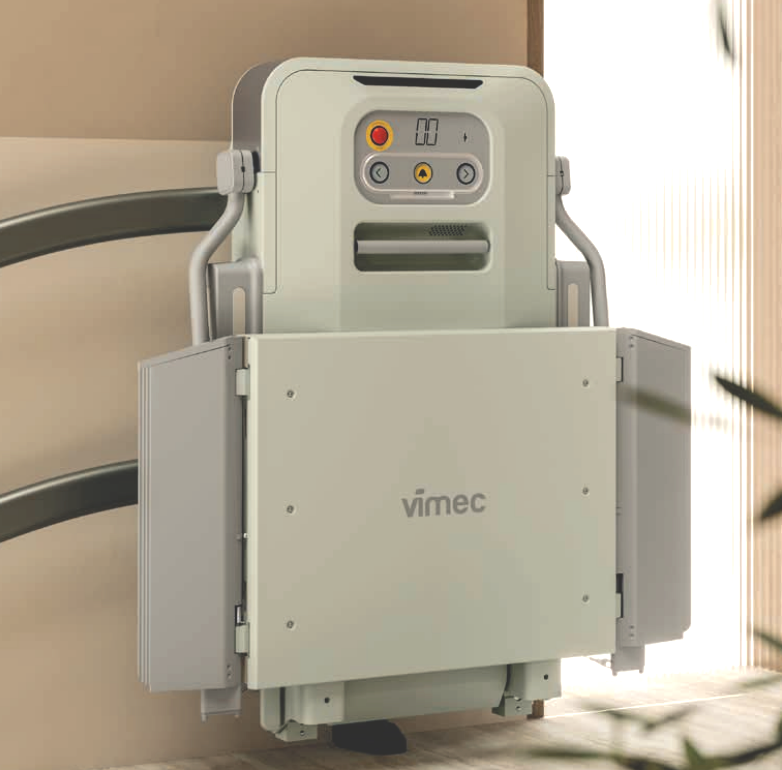
Vimec’s New Stairlift V6s: Enhancing Mobility with Advanced Technology

Vimec V6

In the realm of accessibility solutions, stairlifts have emerged as indispensable tools, providing individuals with mobility challenges the freedom to move between different levels of public buildings effortlessly. Among the various options available in the market, Vimec’s new stairlift model, the V6s, stands out for its advanced features, innovative design, and user-friendly functionality. This article delves into the unique attributes of the Vimec V6s stairlift, exploring how it enhances mobility, its key features, and the considerations for installation and maintenance.

Understanding the Vimec V6s Stairlift

The Vimec V6s is a state-of-the-art stairlift designed to offer a seamless and comfortable mobility solution for users. Crafted with the latest technology and engineering precision, it ensures safety, reliability, and ease of use. This model is particularly suited for both straight and curved staircases, making it a versatile choice for various public building layouts. Whether there is a narrow, winding staircase or a simple straight one, the V6s can be customised to fit perfectly, ensuring that every public building can benefit from its advanced features.


Key Features of the Vimec V6s

1. Advanced Safety Mechanisms

  • Safety Sensors
    The stairlift has built-in sensors that detect any obstacles on the staircase, automatically stopping the lift to prevent accidents.
  • Seat Belt
    A sturdy seat belt ensures that users remain securely seated while the stairlift is in motion.
  • Emergency Stop Button
    In case of any emergency, users can immediately stop the stairlift using the conveniently located emergency stop button.

2. Comfort and Convenience

  • Ergonomic Seat
    The seat is ergonomically designed to provide maximum comfort during the ride. It is padded and can be adjusted to fit the user’s body shape.
  • Swivel Seat
    The seat swivels at the top and bottom of the stairs, allowing users to get on and off the stairlift safely and easily.
  • Foldable Design
    The footrest, seat, and armrests can be folded up when the stairlift is not in use, ensuring that the staircase remains accessible for other users.

3. User-Friendly Controls

  • Joystick Control
    You will have access to a simple joystick control which allows you to operate the stairlift with ease, moving it up or down the stairs smoothly.
  • Remote Controls
    The stairlift comes with remote controls, enabling users to call or send the lift to their preferred position.

4. Aesthetic Appeal

  • Sleek Design
    Its modern design blends seamlessly with various building interiors. Users can choose from different upholstery and colour options to match their interiors.
  • Compact Footprint
    The stairlift has a compact design, taking up minimal space on the staircase, which is especially beneficial for narrow staircases.


Benefits of Installing the Vimec V6s Stairlift

1. Enhanced Mobility

  • For individuals with mobility challenges, the Vimec V6s offers the freedom to move independently between different levels of public buildings. This enhanced mobility significantly improves their quality of life and allows them to maintain their independence.

2. Improved Safety

  • The advanced safety features of the Vimec V6s ensure that users can navigate stairs without the risk of falls or injuries. This is particularly important for elderly users or those with disabilities who might be at higher risk of accidents.

3. Convenience and Ease of Use

  • The user-friendly controls and ergonomic design of the Vimec V6s make it an ideal solution for individuals who require assistance in climbing stairs. The swivel seat and foldable components add to the convenience, making the stairlift easy to use and store.

4. Customisation Options

  • The ability to customise the Vimec V6s to match the public building’s design ensures that it does not stand out as a medical device but rather blends in as a stylish addition to the environment.


Installation Considerations

1. Professional Assessment

  • Before installing the Vimec V6s, it is essential to have a professional assessment of the staircase. This ensures that the stairlift is suitable for the specific layout and dimensions of the staircase.

2. Customised Installation

  • The Vimec V6s can be customised to fit both straight and curved staircases. Professional installers will take precise measurements and customise the rail and other components to ensure a perfect fit.

3. Power Supply

  • The stairlift requires a reliable power supply. It typically operates on rechargeable batteries that are charged at the top and bottom of the staircase. Ensuring that there is a suitable power source near the staircase is crucial for seamless operation.

4. Regular Maintenance

  • To keep the Vimec V6s in optimal working condition, regular maintenance is necessary. This includes checking the battery, cleaning the rail, and ensuring that all safety features are functioning correctly. Most manufacturers and installers offer maintenance packages to handle these tasks.

Maintenance Tips

1. Routine Inspections

  • Routine Inspections
    Regularly inspect the stairlift for any signs of wear and tear. Check the seat, rail, and controls to ensure they are in good working condition.

2. Battery Maintenance

  • Battery Maintenance
    The batteries should be checked periodically and replaced when necessary. Keeping the stairlift charged ensures that it is always ready for use.

3. Cleaning

  • Cleaning
    Keep the rail and other components clean and free from dust and debris. This helps in maintaining smooth operation and prolongs the lifespan of the stairlift.

4. Professional Servicing

  • Professional Servicing
    Schedule professional servicing quarterly or in line with regulatory requirements. A trained technician can identify and fix any potential issues, ensuring the stairlift remains safe and reliable.

The Vimec V6s stairlift represents a significant advancement in mobility solutions for public buildings. With its advanced safety features, user-friendly design, and customisable options, it offers an ideal solution for individuals looking to enhance their independence and safety in public spaces. Proper installation and regular maintenance are crucial to ensuring the stairlift’s optimal performance and longevity. By choosing the Vimec V6s, public buildings can provide a reliable, stylish, and practical mobility solution that seamlessly integrates into their environment.

Frequently Asked Questions

What is the Vimec V6s stairlift used for?

The Vimec V6s stairlift is designed to help individuals with mobility challenges move safely between floors in public buildings. It provides a comfortable and secure way to navigate stairs without physical strain.

Is the Vimec V6s suitable for both straight and curved staircases?

Yes, the Vimec V6s can be customised to fit both straight and curved staircases. This makes it suitable for a wide range of public building layouts and space conditions.

What safety features are included in the Vimec V6s stairlift?

The stairlift includes safety sensors, a seat belt, and an emergency stop button. These features help ensure safe operation and reduce the risk of accidents during use.

How easy is it to operate the Vimec V6s?

The Vimec V6s is designed for simple operation using joystick controls and remote controls. Users can easily move the lift up or down the staircase with minimal effort.

Does the stairlift take up a lot of space on the staircase?

No, the Vimec V6s has a compact design. Its foldable seat, armrests, and footrest help keep the staircase accessible when the lift is not in use.

What happens if there is a power failure?

The stairlift operates using rechargeable batteries. In case of a power failure, it can still function normally or complete its current movement safely.

Is regular maintenance required for the Vimec V6s stairlift?

Yes, regular maintenance is recommended to ensure smooth performance and safety. This includes checking the battery, cleaning components, and periodic professional servicing.

Enclosed Vertical Platform Lift for Your Landed House

Enclosed vertical platform lift in Singapore

Enclosed Vertical Platform Lifts: A Modern Solution for Residential Accessibility

In recent years, the demand for vertical platform lifts in residential homes has significantly increased, driven by the need for enhanced mobility and accessibility solutions, especially in situations where there are restrictions in headroom, shaft size, and pit depth. However, many owners do not wish to have the “hold to run” function that comes with platform lifts and in many instances also prefer automatic sliding doors to hinged type doors that are required under EN81-41 compliance.

The Building and Construction Authority (BCA) has recognized this trend and responded by issuing a new Code of Practice (COP) specifically for Enclosed Vertical Platform Lifts (VPLs). These lifts combine the benefits of traditional vertical platform lifts with the advanced safety features of enclosed passenger lifts, making them a perfect choice for landed houses. Most saliently, the COP allows for “press and go” functionality as well as automatic sliding doors.

Whether you are planning to improve accessibility for elderly family members, individuals with mobility challenges, or simply looking to add a convenient and stylish feature to your home, an enclosed VPL offers numerous advantages. This article explores what an enclosed VPL is, its key features, and why it might be the ideal addition to your multi-story home. By understanding the benefits and safety standards associated with these lifts, homeowners can make informed decisions to enhance both the functionality and aesthetic appeal of their residences.

What is an Enclosed Vertical Platform Lift?

An enclosed Vertical Platform Lift (VPL) is designed with a fully enclosed platform and automatic sliding doors. Unlike conventional VPLs, which require “hold to run” function under the EN81.41 standard, enclosed VPLs can be operated by “press and go” function for the convenience of users. These lifts are especially beneficial for houses with architectural constraints at the headroom, shaft, or pit and whose owners demand “press and go” functionality very much like many conventional passenger lifts. In addition, an enclosed VPL also comes with automatic sliding doors instead of the hinged type doors.

Enhanced Safety Features

The enclosed structure ensures that users are protected from the mechanical parts and movements of the lift, significantly reducing the risk of accidents. The automatic sliding doors further enhance safety by preventing unauthorized access and ensuring that the lift only operates when the doors are securely closed.

Ideal for Residential Use

These lifts are ideal for private residential use, offering a comfortable and practical solution for multi-story homes. They provide a reliable means of vertical transportation, making it easier for individuals to move between floors without the physical strain of using stairs. The spacious design accommodates wheelchairs and other mobility aids, ensuring that all users can benefit from the lift.

Customisable Design

Modern enclosed VPLs can be customized to fit seamlessly with your home’s interior design. They come in various finishes and styles, allowing homeowners to choose a lift that complements their decor. The enclosed structure and sleek automatic doors add a touch of elegance to any home, enhancing both functionality and aesthetic appeal.

Key Features and Benefits

1. Safety and Compliance

  • Safety and Compliance
    The new COP ensures that enclosed VPLs meet rigorous safety standards. This includes compliance with established safety regulations such as EN81-41 and SS550. Features like automatic sliding doors and emergency stop buttons prioritize user safety.

2. Enhanced Accessibility

  • Enhanced Accessibility
    Enclosed VPLs are specifically designed to aid individuals with mobility impairments. Whether you are using a wheelchair or have difficulty with stairs, these lifts provide easy access between floors. The spacious platform accommodates users comfortably, making daily movements within the house more manageable.

3. Aesthetic and Functional Design

  • Aesthetic and Functional Design
    Modern enclosed VPLs are not only functional but also aesthetically pleasing. They can be customized to blend seamlessly with your home’s interior design. The enclosed structure and sleek automatic doors add a touch of elegance while ensuring that the lift does not obstruct the overall visual appeal of your living space.

4. Convenience and Usability

  • Convenience and Usability
    With user-friendly controls and a smooth one-touch operation system, enclosed VPLs are designed for convenience. The automatic sliding doors and easy-to-use buttons make them accessible for everyone, including elderly family members and children.

Installation and Maintenance

1. Professional Installation

  • Professional Installation
    It is crucial to have your enclosed VPL installed by certified professionals to ensure it meets all safety standards. Proper installation includes assessing the space, ensuring the correct pit depth and overhead clearance, and setting up all safety features according to the COP guidelines.

2. Regular Maintenance

  • Regular Maintenance
    Regular maintenance is essential to keep your enclosed VPL in optimal working condition. The lift service contractor should carry out maintenance works at least once every three months or as recommended by the manufacturer. This includes checking the mechanical and electrical components, ensuring the safety systems are operational, and addressing any wear and tear.

Enclosed Vertical Platform Lifts offer a reliable and stylish solution for enhancing accessibility in landed houses. With the new BCA Code of Practice, these lifts now come with improved safety features and regulatory compliance, making them a smart choice for homeowners looking to improve mobility and convenience in their multi-story residences. Consider installing an enclosed VPL to enjoy the benefits of enhanced safety, accessibility, and aesthetic appeal in your home.

Frequently Asked Questions

What is an enclosed vertical platform lift?

An enclosed vertical platform lift is a residential accessibility lift with a fully enclosed cabin and automatic doors. It is designed to safely transport users, including wheelchair users, between floors in a home.

How is an enclosed VPL different from a normal platform lift?

Unlike traditional platform lifts, an enclosed VPL comes with full cabin protection and automatic sliding doors. It also supports “press and go” operation, making it more similar to a passenger elevator in usability.

Is an enclosed vertical platform lift safe for home use?

Yes, it is designed with advanced safety features such as enclosed structure, emergency stop functions, and secure door systems. These features help ensure safe and controlled operation for residential users.

Can an enclosed VPL fit into existing landed houses?

Yes, enclosed vertical platform lifts are designed for residential installation and can be customised to fit homes with limited headroom, shaft space, or pit depth, depending on site conditions.

Do enclosed platform lifts require regular maintenance?

Yes, regular maintenance is necessary to ensure safe and reliable performance. It typically includes checking mechanical parts, safety systems, and door operations at scheduled intervals.

Are enclosed VPLs suitable for wheelchair users?

Yes, they are specifically designed to accommodate wheelchair users comfortably. The spacious platform and automatic doors make it easy for users to enter and exit safely.

What makes enclosed VPLs suitable for modern homes in Singapore?

They combine safety, compliance with local regulations, and modern design. Features like automatic doors and compact structure make them ideal for Singapore landed homes with space constraints.

Scroll to top